Book Review: We Were Eight Years in Power: An American Tragedy by Ta-Nehisi Coates

A Deep Dive into Race, Politics, and the Obama Legacy

In We Were Eight Years in Power: An American Tragedy, Ta-Nehisi Coates delivers a thought-provoking and piercing examination of America’s political landscape during and after Barack Obama’s presidency. Through a collection of essays, Coates dissects the complexities of race, power, and politics, providing a critical look at the rise of Donald Trump, the legacies of slavery and racism, and the ideological divides that continue to shape American society. Coates doesn’t just reflect on Obama’s time in office; he explores the deep divisions that define the country and the heavy weight of history that still looms over Black Americans today.

Why We Were Eight Years in Power is Essential for the Black Community:

This book is an essential read for the Black community because it forces us to confront the realities of American politics and the ways in which race and power intersect at every level of society. Coates doesn’t shy away from difficult truths about the limitations of the Obama presidency, the rise of a racially divisive political climate, and the challenges of Black political engagement. This book helps us understand how our history, identity, and struggles for justice continue to be deeply interwoven with the political battles we face today.

Key Lessons from We Were Eight Years in Power for the Black Community:

  1. The Fragility of Progress: Coates reflects on the eight years of Barack Obama’s presidency and highlights how progress, even when achieved, is always fragile. For the Black community, this serves as a sobering reminder that victories for racial justice are often met with resistance and backlash. Coates argues that the illusion of a post-racial America, perpetuated by Obama’s presidency, blinded many to the deep-seated racism still ingrained in American society. Understanding this fragility allows us to be more strategic and resilient in our fight for justice.
  2. The Importance of Understanding Power: One of the key themes in We Were Eight Years in Power is the importance of understanding power in its many forms. Coates challenges readers to think critically about who holds power in society and how it is used. For the Black community, this book highlights the significance of political engagement and the need to build and maintain power, both through voting and activism, to ensure that our voices are heard and that the gains we’ve made aren’t undone by those who seek to maintain the status quo.
  3. The Persistence of White Supremacy: Coates doesn’t shy away from the harsh realities of white supremacy in America. He argues that even after the election of the first Black president, racism and inequality did not disappear. Instead, they transformed into more covert forms, continuing to shape political discourse and policies in America. For Black Americans, this reinforces the importance of continuing the fight for equality, even when it feels like progress has been made. Understanding that racism is deeply embedded in American institutions empowers us to keep pushing for true systemic change.
  4. The Power of Black Intellectual Thought: Throughout the book, Coates gives voice to the thinkers, writers, and activists who have shaped Black intellectual thought. He encourages the Black community to engage in deep reflection, using our unique perspectives and experiences to contribute to broader societal conversations. This is crucial for creating an informed, powerful, and resilient Black political identity. Coates’ work is an invitation for Black Americans to continue to be leaders in shaping the political landscape and advocating for our community’s interests.
  5. The Ongoing Struggle for Racial Justice: At the heart of We Were Eight Years in Power is a call for continued activism. Coates highlights the deepening divides and the resistance to change that persist even in the face of the Black Lives Matter movement and other efforts to address racial injustice. He argues that the fight for racial justice is far from over, and it’s essential for the Black community to remain steadfast in demanding equal treatment, representation, and opportunities in all areas of society.

How We Were Eight Years in Power Helps the Black Community Today:

  • The book helps the Black community navigate and understand the current political climate, particularly in the aftermath of Obama’s presidency and the rise of Trump. It offers a critical lens through which to view the struggles we continue to face in terms of race, power, and politics.
  • Coates’ reflections on race and politics encourage Black readers to remain politically engaged and informed, understanding that power dynamics are ever-shifting and must be actively navigated to ensure our rights are protected.
  • By connecting the struggles of the past with the present, We Were Eight Years in Power offers a roadmap for how we can continue to fight for justice and equality, understanding that it’s not just about one moment in history but about sustaining long-term efforts for racial equity.

Closing Thoughts:

We Were Eight Years in Power by Ta-Nehisi Coates is a powerful collection of essays that challenges the Black community to think deeply about the intersection of race, politics, and power. Coates’ sharp, incisive analysis of America’s political climate, from Obama’s presidency to the rise of Trump, forces us to confront the reality of how race continues to shape our lives. This book is a vital resource for understanding the complexities of our political landscape and encourages us to remain vigilant in our activism and pursuit of justice. It’s a call for continued reflection, action, and empowerment—an invitation to keep pushing forward in the fight for true equality.

Ta-Nehisi Coates’ We Were Eight Years in Power dives deep into race, politics, and the legacy of Obama’s presidency. It’s a must-read for understanding America’s political divides and the ongoing struggle for justice. #Race #Politics #Activism #BlackHistory

The Disappearance Crisis: Why Black Women and Girls Are Disproportionately Missing

The tragic and systemic issue of missing Black women and girls is a crisis that demands more attention. Due to a combination of systemic racism, violence, and human trafficking, Black women and girls are disproportionately impacted by abductions and disappearances in the United States. Unfortunately, these cases are often underreported and underrecognized, which perpetuates an environment of neglect.


Statistics: The Harsh Reality of Missing Black Women and Girls

In 2022, Black women and girls represented a staggering 36% of the missing women and girls reported to the National Crime Information Center. This figure starkly contrasts with the proportion of Black women and girls in the overall population, highlighting a deep and concerning issue of racial inequality in how missing persons are reported and investigated.

Black women are also six times more likely to be murdered than their white counterparts. This statistic reflects the extreme violence many Black women face in society—violence that is often overlooked or not taken seriously by law enforcement.

Furthermore, Black women and girls are disproportionately affected by human trafficking, where they face higher rates of exploitation, both within the United States and internationally. These young women are often preyed upon because of their vulnerability, which is compounded by a lack of resources and support when they go missing.


Advocacy: Organizations Making a Difference

Several organizations are working tirelessly to raise awareness and support the families of missing Black women and girls. These organizations offer resources, education, and platforms for advocacy.

  • The Black and Missing Foundation works to highlight cases of missing Black individuals, offering media training for families of missing persons and creating essential survival guides. The Foundation helps families navigate the often overwhelming process of dealing with law enforcement and the media when a loved one goes missing.
  • From the Bottom Up Foundation is a non-profit organization dedicated to supporting Black women and girls, providing crucial programs and services that focus on empowerment and safety. Their work is vital in addressing the root causes of disappearances, including systemic neglect and abuse.

Resources: Raising Awareness and Providing Support

In response to the growing crisis, governmental and non-governmental organizations are offering resources for those affected.

  • The Office of Justice Programs has hosted national convenings to raise awareness about the systemic issues behind the disproportionate number of missing Black individuals. These initiatives aim to bring together community leaders, law enforcement, and activists to create solutions and push for systemic change.
  • The Department of Justice provides a family survival guide for when a child or family member goes missing. This guide offers step-by-step instructions for parents and guardians, helping them navigate the immediate steps to take when faced with a missing loved one. It also provides resources for law enforcement, supporting them in addressing these cases more effectively.

The Impact: Addressing the Root Causes

The disproportionate number of missing Black women and girls speaks to broader systemic issues in society. Racial bias within law enforcement often results in Black individuals, especially women and girls, not receiving the same level of attention and urgency in missing persons cases as their white counterparts. Additionally, economic inequality and social neglect leave many Black women and girls vulnerable to trafficking, violence, and exploitation.

The lack of adequate resources for Black families, particularly those in low-income communities, contributes to the crisis. These families are often left without the support needed to ensure that their missing loved ones are given the attention they deserve. This inequality creates a culture where Black lives are treated as less valuable, and the urgency of their cases is often minimized.


Why This Crisis Must Be Recognized

The issue of missing Black women and girls is a profound injustice that highlights the failure of society to protect and value marginalized communities. Raising awareness, increasing media coverage, and providing resources are essential to addressing this crisis. We must work together to ensure that every person, regardless of race or background, is given the resources and support needed when they are in danger or go missing.

It’s essential that Black families are given the tools to protect their loved ones. Knowledge is power, and advocacy organizations like the Black and Missing Foundation and From the Bottom Up Foundation are fighting for the recognition and action that Black women and girls need.

We must continue to advocate for the safety of our communities, support those working to bring change, and demand that the lives of Black women and girls matter—both in life and when they go missing.


Conclusion: A Call for Change

The crisis of missing Black women and girls is a matter of life and death. As a community, we must fight against the systemic issues that perpetuate this tragedy. By raising awareness, providing support, and working together, we can protect our loved ones and bring about the systemic change needed to ensure Black women and girls are safe. Knowledge, advocacy, and unity are key to bringing about justice and ending this crisis.


#BlackWomenMatter #BlackGirlsMatter #MissingPersonsAwareness #JusticeForBlackWomen #EndSystemicRacism

Black women and girls are disproportionately missing in the U.S. due to systemic racism, violence, and trafficking. Learn why this crisis is often ignored and how advocacy groups are fighting for justice. #BlackWomenMatter #MissingBlackWomen #JusticeForBlackGirls

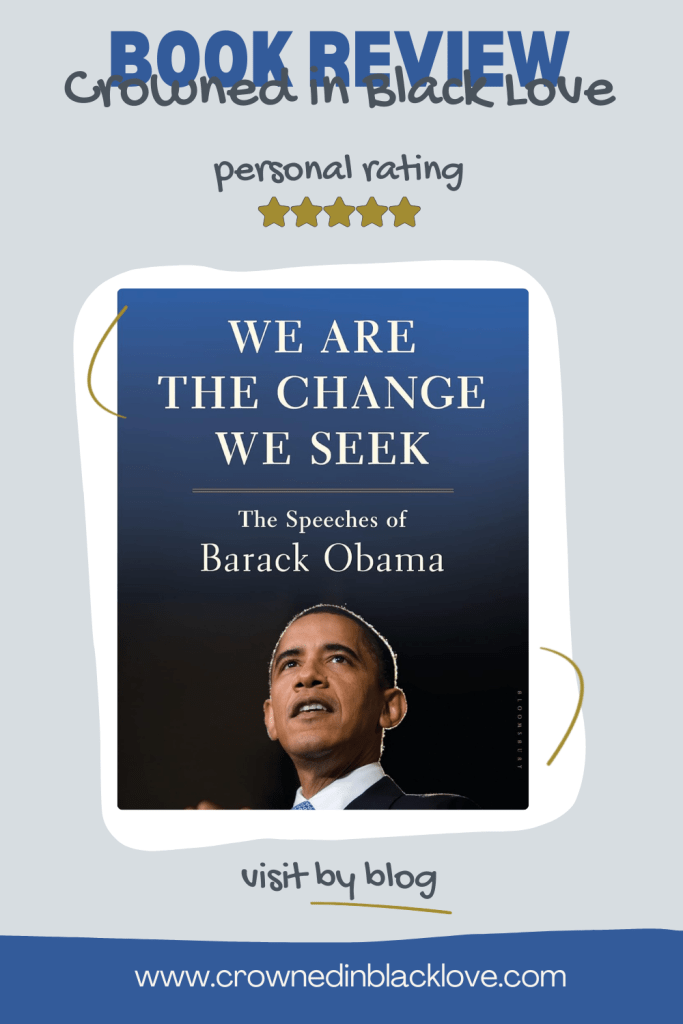
Book Review: We Are the Change We Seek: The Speeches of Barack Obama

A Voice for Justice, Unity, and Hope

Barack Obama’s journey from community organizer to the first Black president of the United States is nothing short of extraordinary. Throughout his political career, his speeches have often been a beacon of hope, rallying people around the cause of equality, justice, and the pursuit of a better future. We Are the Change We Seek: The Speeches of Barack Obama, edited by E.J. Dionne Jr., is an incredible compilation of his most powerful addresses. For Black communities, this book is more than a collection of words; it’s a tool for understanding how the power of speech can drive change and inspire action.

Why This Book Is Essential for the Black Community:

In the face of systemic racism, inequality, and social injustice, Obama’s speeches offered a voice of reason, reminding us that change is not only possible, but it is also our responsibility. The speeches within this book speak to the struggles that Black Americans face and the collective power we possess to transform our communities and our nation. Obama’s ability to blend hope, determination, and clarity is what makes his words resonate deeply within our fight for justice.

From his historic victory speech in 2008 to his remarks on racial tensions and his reflections on the pursuit of justice, Obama’s speeches are both a call to action and a vision for what America can be. By sharing these speeches, We Are the Change We Seek provides a roadmap for Black communities to advocate for their rights, demand justice, and foster unity in times of division.

Key Lessons from We Are the Change We Seek for the Black Community:

  1. The Power of Unity: One of Obama’s key messages is that true progress only comes when we work together. In his speeches, he often emphasizes that unity transcends race, party affiliation, and background. For Black communities, this reminds us that in our fight for justice, we must build coalitions with others who are willing to stand with us. The power of collective action is undeniable, and Obama’s words are a testament to that.
  2. The Importance of Hope and Perseverance: Throughout his speeches, Obama often highlighted the importance of hope—especially during the most challenging times. For Black communities, this is crucial, as systemic oppression can sometimes make it feel like progress is impossible. Obama’s speeches are a reminder that, though the road is long, hope, perseverance, and belief in a better future are critical in pushing forward.
  3. Confronting Race and Injustice: Obama’s reflections on race in America are some of the most poignant in his speeches. He didn’t shy away from acknowledging the deep-seated issues of racism, nor did he avoid the uncomfortable truths that needed to be discussed. For Black communities, his words are empowering. They show that confronting injustice head-on is essential for healing and for creating a society where everyone is treated with dignity and respect.
  4. The Role of Leadership in the Fight for Justice: Obama’s speeches also provide insight into the role of leadership in social change. His calls for leaders to act with integrity and courage resonate deeply in today’s climate, where Black leaders must continue to rise above obstacles and lead by example. We Are the Change We Seek encourages us to not only support leaders but also to take up leadership ourselves in our communities and beyond.

How This Book Helps the Black Community Today:

In the current climate, where Black Americans continue to fight against systemic racism and inequality, Obama’s speeches offer a much-needed sense of direction and hope. The themes of race, unity, and justice found in his addresses resonate as deeply today as they did during his presidency. In We Are the Change We Seek, readers can find inspiration to continue the fight for equality and justice, armed with the powerful words of a leader who understood the struggles of marginalized communities.

Obama’s speeches also serve as a guide for young Black people who may be navigating their own paths toward leadership. His messages encourage critical thinking, resilience, and activism. The book underscores that the fight for equality is ongoing and that each of us can contribute to the change we seek.

Closing Thoughts:

We Are the Change We Seek is more than just a collection of speeches. It’s a legacy, a testament to the power of words and the profound impact they can have on society. For the Black community, this book is a reminder that we are not only capable of achieving justice and equality, but that we are the very change we seek. Obama’s words have the power to inspire, to unite, and to propel us toward a better future. As we continue our fight for justice, let us remember: the change we desire begins with us.

We Are the Change We Seek by Barack Obama is a must-read for understanding how the power of words drives change. Obama’s speeches on race, unity, and justice offer inspiration for today’s fight for equality. #Obama #Activism #Leadership #RacialJustice #Change