
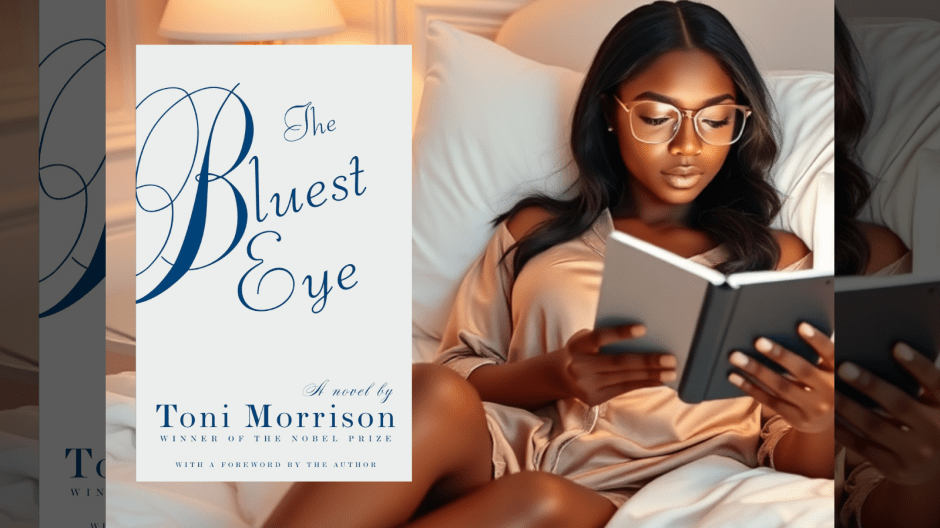
A Heart-Wrenching Exploration of Beauty, Trauma, and Identity
Toni Morrison’s The Bluest Eye is more than just a novel – it’s an emotional journey that delves deep into the complexities of race, beauty, and self-worth. As her debut work, it boldly tackles the internal struggles faced by Black individuals, particularly Black girls, growing up in a society that often devalues them. Through the eyes of Pecola Breedlove, Morrison crafts a haunting and poignant narrative that challenges societal ideals of beauty and explores the devastating consequences of trauma. For the Black community, this novel serves as a powerful reminder of the importance of self-love, acceptance, and the impact of systemic racism on individual identity.
Why The Bluest Eye is Important for the Black Community:
Morrison’s exploration of beauty and identity speaks directly to the heart of the Black experience in America. The novel focuses on Pecola, a young Black girl who becomes obsessed with the idea of having blue eyes, believing that beauty lies in conforming to white, Eurocentric standards. This story is a reflection of how Black people, particularly Black women, have been conditioned to feel inferior due to the perpetuation of white beauty standards.
For the Black community, The Bluest Eye is not just a story of personal tragedy; it’s a commentary on the generational trauma caused by racism and the destructive effects of internalized hatred. Morrison masterfully depicts how societal pressures can distort one’s sense of self, leading to destructive cycles of trauma. This book urges us to examine how we define beauty, and it challenges us to celebrate our authentic selves, free from the oppressive ideals of others.

Key Lessons from The Bluest Eye for the Black Community:
- The Dangers of Internalized Racism: The central theme of Pecola’s desire for blue eyes highlights the destructive nature of internalized racism. She believes that her worth is tied to conforming to a standard of beauty that doesn’t reflect her own Blackness. For Black individuals, this book encourages us to examine how we internalize harmful stereotypes and societal expectations. It’s a call to redefine beauty on our own terms and embrace our authentic identities, rather than seeking validation from external sources.
- The Impact of Trauma on Identity: The Bluest Eye paints a painful picture of how trauma – particularly racial trauma – can shape one’s sense of self. Pecola’s struggles are compounded by neglect, abuse, and societal rejection, leading to a breakdown of her identity. For Black communities, this book sheds light on the long-lasting effects of trauma and the importance of healing. It’s a reminder that acknowledging and addressing our collective trauma is essential to breaking cycles of pain and fostering mental and emotional wellness.
- The Importance of Community and Support: While Pecola’s tragic story unfolds, Morrison also examines the roles that community and family play in shaping one’s identity. The lack of support and love for Pecola contributes to her sense of worthlessness. For the Black community, this underscores the necessity of building strong, supportive networks that uplift and nurture each other. This novel highlights the need for solidarity and care, especially when it comes to supporting our youth and fostering a sense of belonging.
- Reclaiming Black Womanhood: The Bluest Eye is a powerful exploration of Black womanhood and the societal forces that seek to undermine it. Morrison doesn’t just tell Pecola’s story; she examines the broader experiences of Black women and the pressures they face in a racist, patriarchal society. This book is an invitation for Black women to reclaim their beauty, their worth, and their power, regardless of the narrow standards imposed upon them.
How The Bluest Eye Helps the Black Community Today:
The Bluest Eye continues to resonate with Black communities today as it offers a poignant reflection on the enduring struggles related to race, identity, and beauty. In a society where Eurocentric beauty standards still hold sway, this book is an essential tool for challenging harmful ideals and promoting a more inclusive definition of beauty. For Black people, especially young Black girls, Morrison’s novel provides a space for self-reflection and healing.
By exploring the consequences of racism, trauma, and the internalization of white beauty standards, The Bluest Eye encourages the Black community to embrace self-love, healing, and solidarity. It reminds us that our worth is not determined by the validation of others but by our ability to love ourselves and each other.
Closing Thoughts:
Toni Morrison’s The Bluest Eye is a heartbreaking yet essential read for understanding the deep complexities of race, beauty, and identity in America. Through Pecola’s tragic journey, Morrison confronts the painful effects of racism, societal pressures, and generational trauma, urging readers to challenge and reshape their perceptions of beauty and self-worth. For the Black community, this novel is a call to embrace our authentic selves, heal from the wounds of the past, and build a future where we can love ourselves without apology.


Toni Morrison’s The Bluest Eye challenges harmful beauty standards and examines the impact of racism and trauma on Black identity. It’s a powerful call for self-love and embracing Black authenticity. #ToniMorrison #BlackBeauty #Identity #TheBluestEye
 Crowned in Black Love