Book Review: We Were Eight Years in Power: An American Tragedy by Ta-Nehisi Coates

A Deep Dive into Race, Politics, and the Obama Legacy

In We Were Eight Years in Power: An American Tragedy, Ta-Nehisi Coates delivers a thought-provoking and piercing examination of America’s political landscape during and after Barack Obama’s presidency. Through a collection of essays, Coates dissects the complexities of race, power, and politics, providing a critical look at the rise of Donald Trump, the legacies of slavery and racism, and the ideological divides that continue to shape American society. Coates doesn’t just reflect on Obama’s time in office; he explores the deep divisions that define the country and the heavy weight of history that still looms over Black Americans today.

Why We Were Eight Years in Power is Essential for the Black Community:

This book is an essential read for the Black community because it forces us to confront the realities of American politics and the ways in which race and power intersect at every level of society. Coates doesn’t shy away from difficult truths about the limitations of the Obama presidency, the rise of a racially divisive political climate, and the challenges of Black political engagement. This book helps us understand how our history, identity, and struggles for justice continue to be deeply interwoven with the political battles we face today.

Key Lessons from We Were Eight Years in Power for the Black Community:

  1. The Fragility of Progress: Coates reflects on the eight years of Barack Obama’s presidency and highlights how progress, even when achieved, is always fragile. For the Black community, this serves as a sobering reminder that victories for racial justice are often met with resistance and backlash. Coates argues that the illusion of a post-racial America, perpetuated by Obama’s presidency, blinded many to the deep-seated racism still ingrained in American society. Understanding this fragility allows us to be more strategic and resilient in our fight for justice.
  2. The Importance of Understanding Power: One of the key themes in We Were Eight Years in Power is the importance of understanding power in its many forms. Coates challenges readers to think critically about who holds power in society and how it is used. For the Black community, this book highlights the significance of political engagement and the need to build and maintain power, both through voting and activism, to ensure that our voices are heard and that the gains we’ve made aren’t undone by those who seek to maintain the status quo.
  3. The Persistence of White Supremacy: Coates doesn’t shy away from the harsh realities of white supremacy in America. He argues that even after the election of the first Black president, racism and inequality did not disappear. Instead, they transformed into more covert forms, continuing to shape political discourse and policies in America. For Black Americans, this reinforces the importance of continuing the fight for equality, even when it feels like progress has been made. Understanding that racism is deeply embedded in American institutions empowers us to keep pushing for true systemic change.
  4. The Power of Black Intellectual Thought: Throughout the book, Coates gives voice to the thinkers, writers, and activists who have shaped Black intellectual thought. He encourages the Black community to engage in deep reflection, using our unique perspectives and experiences to contribute to broader societal conversations. This is crucial for creating an informed, powerful, and resilient Black political identity. Coates’ work is an invitation for Black Americans to continue to be leaders in shaping the political landscape and advocating for our community’s interests.
  5. The Ongoing Struggle for Racial Justice: At the heart of We Were Eight Years in Power is a call for continued activism. Coates highlights the deepening divides and the resistance to change that persist even in the face of the Black Lives Matter movement and other efforts to address racial injustice. He argues that the fight for racial justice is far from over, and it’s essential for the Black community to remain steadfast in demanding equal treatment, representation, and opportunities in all areas of society.

How We Were Eight Years in Power Helps the Black Community Today:

  • The book helps the Black community navigate and understand the current political climate, particularly in the aftermath of Obama’s presidency and the rise of Trump. It offers a critical lens through which to view the struggles we continue to face in terms of race, power, and politics.
  • Coates’ reflections on race and politics encourage Black readers to remain politically engaged and informed, understanding that power dynamics are ever-shifting and must be actively navigated to ensure our rights are protected.
  • By connecting the struggles of the past with the present, We Were Eight Years in Power offers a roadmap for how we can continue to fight for justice and equality, understanding that it’s not just about one moment in history but about sustaining long-term efforts for racial equity.

Closing Thoughts:

We Were Eight Years in Power by Ta-Nehisi Coates is a powerful collection of essays that challenges the Black community to think deeply about the intersection of race, politics, and power. Coates’ sharp, incisive analysis of America’s political climate, from Obama’s presidency to the rise of Trump, forces us to confront the reality of how race continues to shape our lives. This book is a vital resource for understanding the complexities of our political landscape and encourages us to remain vigilant in our activism and pursuit of justice. It’s a call for continued reflection, action, and empowerment—an invitation to keep pushing forward in the fight for true equality.

Ta-Nehisi Coates’ We Were Eight Years in Power dives deep into race, politics, and the legacy of Obama’s presidency. It’s a must-read for understanding America’s political divides and the ongoing struggle for justice. #Race #Politics #Activism #BlackHistory

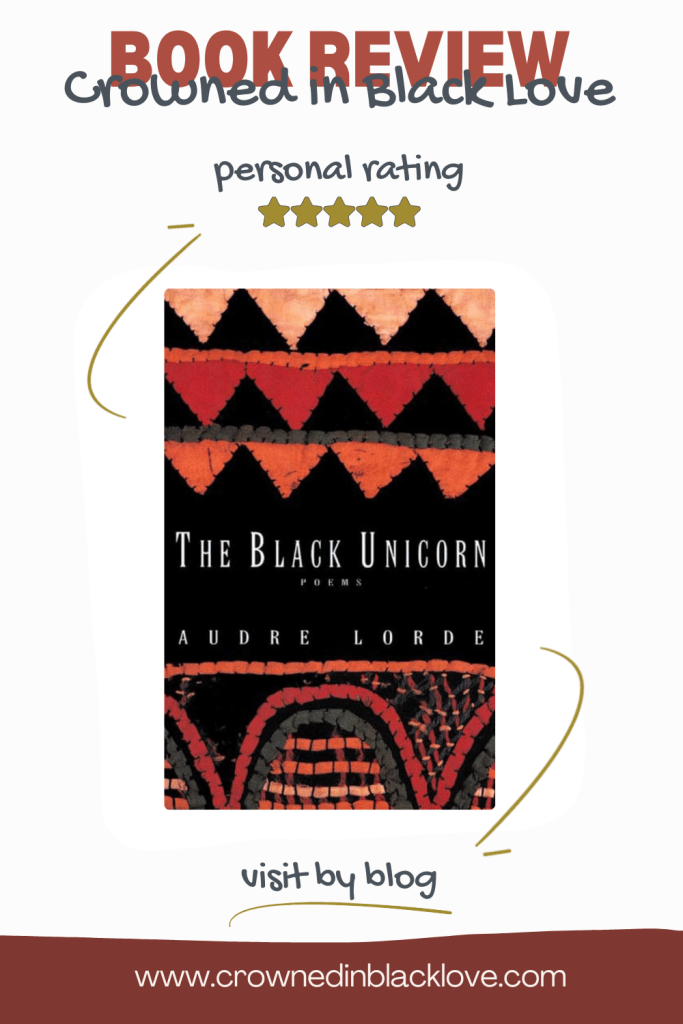
Book Review: The Black Unicorn: Poems by Audre Lorde

A Celebration of Black Identity, Resistance, and Empowerment

Audre Lorde’s The Black Unicorn: Poems is a brilliant and thought-provoking collection that explores the complexities of identity, race, gender, and sexuality. As one of the most significant voices in feminist and Black literature, Lorde’s poetry is not only an artistic expression but also a form of activism that challenges societal norms, explores the intersections of oppression, and celebrates the beauty and strength of marginalized identities. This collection is an essential read for anyone interested in understanding the multifaceted nature of Black identity, the struggle for equality, and the power of poetry as a tool for activism.

Why The Black Unicorn is Essential for the Black Community:

Audre Lorde’s work is deeply rooted in the experiences of marginalized communities, particularly Black women. The Black Unicorn offers an unapologetic exploration of the ways race, gender, and sexuality shape personal identity and the way others perceive and treat marginalized groups. Lorde’s poems are an affirmation of the strength of Blackness, womanhood, and queerness, and they serve as a call to resist societal norms that attempt to diminish or erase those identities.

In a world where these identities are often targeted for oppression and exclusion, The Black Unicorn offers Black communities a space to affirm their worth, claim their voices, and embrace their complexities. The poems in this collection resonate with a universal message: that Black people, particularly Black women and queer people, deserve space to exist in their full complexity and power.

Key Themes in The Black Unicorn: Poems:

  1. Identity: One of the central themes in Lorde’s collection is the exploration of personal and collective identity. Through her poems, Lorde challenges narrow and limiting definitions of identity, particularly as it relates to race, gender, and sexuality. Her work calls for the celebration of identity in all its dimensions, and for Black people to unapologetically embrace who they are.
  2. Race and Feminism: Lorde’s poetry is at the intersection of race and feminism, where she addresses the unique struggles faced by Black women, particularly in a society that marginalizes them both as women and as Black people. Through her powerful verse, she articulates the pain, joy, and resilience that define the Black woman’s experience in America. Her work serves as a challenge to both white feminism and traditional Black masculinity, calling for the empowerment of Black women and the recognition of their strength.
  3. Activism and Resistance: The Black Unicorn is a powerful work of activism. Lorde’s poetry confronts injustice head-on and advocates for resistance against oppression. Through her exploration of racism, sexism, and homophobia, Lorde calls for radical change, inspiring her readers to challenge the status quo and fight for equality and justice. Her words are a reminder that activism is not only a political act but also a deeply personal one, rooted in identity, love, and the will to resist.
  4. Poetry as Empowerment: Lorde’s use of poetry is more than just artistic expression — it’s a form of empowerment. Through her vivid imagery and compelling language, she provides a space for marginalized voices to be heard and recognized. Her poems reclaim space for Black people, particularly Black women, in a world that often seeks to silence them. Each poem in this collection is an act of self-affirmation and resistance, offering a space for readers to find strength and power in their own identities.

Lessons from The Black Unicorn: Poems for the Black Community:

  1. Embrace Complexity: Lorde’s work teaches the importance of embracing the complexity of Black identity. Black people are not monolithic, and The Black Unicorn encourages individuals to celebrate the multiplicity of identities within the community. Whether it’s race, gender, sexuality, or other aspects of one’s identity, Lorde’s poems highlight the importance of owning all parts of oneself.
  2. Resist and Reclaim Power: Lorde’s poetry encourages the Black community to resist oppressive forces and reclaim power over their narratives. Her poems are a call to arms for marginalized groups to take control of their stories, challenge oppressive structures, and demand justice. Through activism, art, and self-expression, Lorde shows that resistance is not only necessary but also deeply transformative.
  3. Celebrate Black Womanhood: Throughout The Black Unicorn, Lorde celebrates Black womanhood in its fullness, recognizing the beauty and strength that exists within Black women despite the oppressive forces that seek to diminish them. Her poems offer a powerful affirmation of Black women’s worth, calling for their voices to be heard and their experiences to be valued.
  4. Find Strength in Marginalized Voices: Lorde’s collection underscores the importance of listening to and amplifying marginalized voices. She emphasizes the power that comes from acknowledging and celebrating difference, whether that difference comes from race, gender, sexuality, or other aspects of identity. In a world that often ignores or suppresses these voices, Lorde encourages her readers to recognize the strength in diversity and to celebrate the power that comes from the margins.

How The Black Unicorn Can Help the Black Community Today:

In today’s world, where the struggles for racial justice, gender equality, and LGBTQ rights are ongoing, Lorde’s work is a vital tool for empowerment. The Black Unicorn offers Black communities a chance to reflect on the complexities of their own identities and the societal forces that continue to oppress them. It provides a powerful model for resistance and reminds Black people that their voices matter. Whether you are looking for personal affirmation, political motivation, or simply a celebration of Blackness, this collection offers invaluable lessons in resilience, activism, and pride.

Closing Thoughts:

The Black Unicorn: Poems by Audre Lorde is a timeless and profound collection that speaks to the complexities of Black identity, the strength of marginalized voices, and the power of activism. Lorde’s unapologetic exploration of race, gender, and sexuality serves as both a personal reflection and a collective call to action for the Black community. Her poetry is not just for reading but for living, for embracing, and for resisting. It is an empowering read for anyone seeking to understand the nuances of Black life and the ongoing fight for justice and equality.

Discover the powerful poetry of Audre Lorde in The Black Unicorn: Poems – a celebration of Black womanhood, activism, and identity. A must-read for anyone embracing the strength of marginalized voices. #BlackPoetry #Feminism #Activism #BlackIdentity

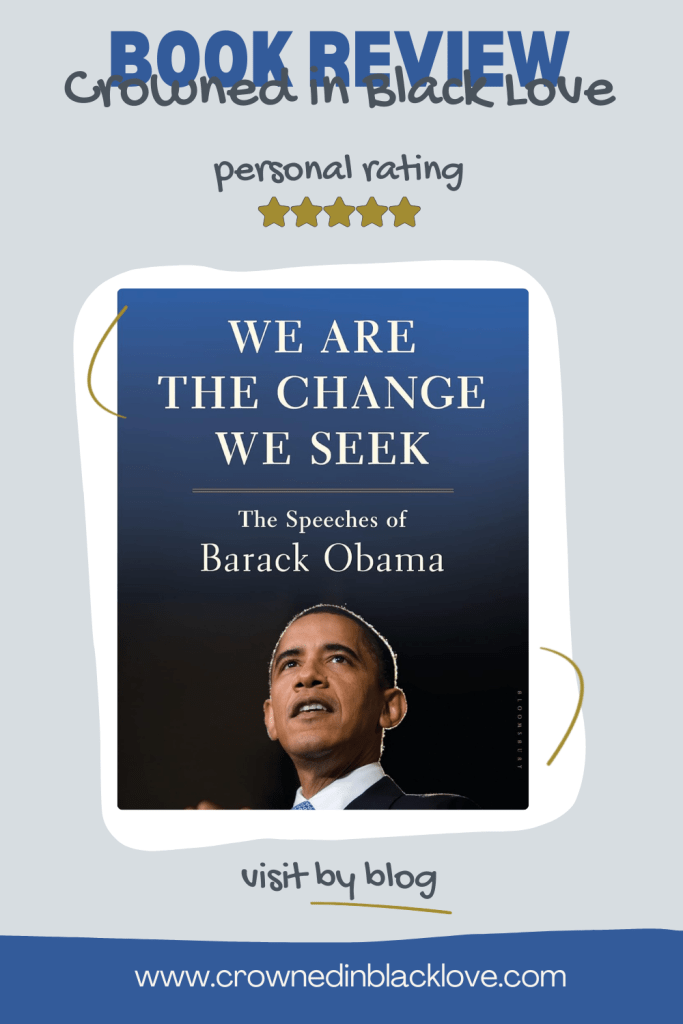
Book Review: We Are the Change We Seek: The Speeches of Barack Obama

A Voice for Justice, Unity, and Hope

Barack Obama’s journey from community organizer to the first Black president of the United States is nothing short of extraordinary. Throughout his political career, his speeches have often been a beacon of hope, rallying people around the cause of equality, justice, and the pursuit of a better future. We Are the Change We Seek: The Speeches of Barack Obama, edited by E.J. Dionne Jr., is an incredible compilation of his most powerful addresses. For Black communities, this book is more than a collection of words; it’s a tool for understanding how the power of speech can drive change and inspire action.

Why This Book Is Essential for the Black Community:

In the face of systemic racism, inequality, and social injustice, Obama’s speeches offered a voice of reason, reminding us that change is not only possible, but it is also our responsibility. The speeches within this book speak to the struggles that Black Americans face and the collective power we possess to transform our communities and our nation. Obama’s ability to blend hope, determination, and clarity is what makes his words resonate deeply within our fight for justice.

From his historic victory speech in 2008 to his remarks on racial tensions and his reflections on the pursuit of justice, Obama’s speeches are both a call to action and a vision for what America can be. By sharing these speeches, We Are the Change We Seek provides a roadmap for Black communities to advocate for their rights, demand justice, and foster unity in times of division.

Key Lessons from We Are the Change We Seek for the Black Community:

  1. The Power of Unity: One of Obama’s key messages is that true progress only comes when we work together. In his speeches, he often emphasizes that unity transcends race, party affiliation, and background. For Black communities, this reminds us that in our fight for justice, we must build coalitions with others who are willing to stand with us. The power of collective action is undeniable, and Obama’s words are a testament to that.
  2. The Importance of Hope and Perseverance: Throughout his speeches, Obama often highlighted the importance of hope—especially during the most challenging times. For Black communities, this is crucial, as systemic oppression can sometimes make it feel like progress is impossible. Obama’s speeches are a reminder that, though the road is long, hope, perseverance, and belief in a better future are critical in pushing forward.
  3. Confronting Race and Injustice: Obama’s reflections on race in America are some of the most poignant in his speeches. He didn’t shy away from acknowledging the deep-seated issues of racism, nor did he avoid the uncomfortable truths that needed to be discussed. For Black communities, his words are empowering. They show that confronting injustice head-on is essential for healing and for creating a society where everyone is treated with dignity and respect.
  4. The Role of Leadership in the Fight for Justice: Obama’s speeches also provide insight into the role of leadership in social change. His calls for leaders to act with integrity and courage resonate deeply in today’s climate, where Black leaders must continue to rise above obstacles and lead by example. We Are the Change We Seek encourages us to not only support leaders but also to take up leadership ourselves in our communities and beyond.

How This Book Helps the Black Community Today:

In the current climate, where Black Americans continue to fight against systemic racism and inequality, Obama’s speeches offer a much-needed sense of direction and hope. The themes of race, unity, and justice found in his addresses resonate as deeply today as they did during his presidency. In We Are the Change We Seek, readers can find inspiration to continue the fight for equality and justice, armed with the powerful words of a leader who understood the struggles of marginalized communities.

Obama’s speeches also serve as a guide for young Black people who may be navigating their own paths toward leadership. His messages encourage critical thinking, resilience, and activism. The book underscores that the fight for equality is ongoing and that each of us can contribute to the change we seek.

Closing Thoughts:

We Are the Change We Seek is more than just a collection of speeches. It’s a legacy, a testament to the power of words and the profound impact they can have on society. For the Black community, this book is a reminder that we are not only capable of achieving justice and equality, but that we are the very change we seek. Obama’s words have the power to inspire, to unite, and to propel us toward a better future. As we continue our fight for justice, let us remember: the change we desire begins with us.

We Are the Change We Seek by Barack Obama is a must-read for understanding how the power of words drives change. Obama’s speeches on race, unity, and justice offer inspiration for today’s fight for equality. #Obama #Activism #Leadership #RacialJustice #Change

The Impact of Target’s DEI Rollback: A Call for Black Love, Unity, and Power

Love is the foundation of everything—especially when it comes to building strong families and leaving a lasting legacy. At Crowned in Black Love, we celebrate the beauty, resilience, and power of Black love and the families it nurtures. Together, we’re building a legacy that honors our history, our culture, and our collective strength.

Why We Take a Stand

As Black families, our love is both a source of strength and a means of resilience in a world that often undermines our worth. That’s why we’re calling on all of our community members to join us in the boycott against Target, Amazon, and other major corporations who are rolling back their Diversity, Equity, and Inclusion (DEI) initiatives. These actions impact us, our children, and our future. As we stand together in unity, we send a message: We will not be erased.

We want to protect and nurture our legacies, and to do that, we must remind these companies that Black love and Black families are the backbone of the economy, and they cannot ignore us.

A Call to Action: Stand with Us on February 28th

We’re calling for an economic blackout on February 28, 2025. On that day, we ask all of our community members to refrain from spending money at major retailers like Target, Amazon, and Walmart. This action is not just about boycotting—it’s about honoring our power and reminding these corporations that we matter.

When we unite and take action, we send a clear message: Black love and unity are forces to be reckoned with. Our choices and our voices will drive the change we want to see in the world.

Why We Boycott

The People’s Union is leading the call to boycott corporations that have chosen to roll back DEI initiatives under the leadership of individuals like former President Donald Trump. These decisions impact our communities by undermining the principles of equity and inclusion. On February 28, we are asking for one day of action.

This 24-hour boycott will help to remind corporate giants that Black love is powerful, and we are the ones who drive their success. We’re telling them that we will not continue to support businesses that do not support us.

Support Small, Support Local: Choose Love

If you need essential items or have an emergency, we encourage you to support Black-owned businesses or local community stores instead. On February 28, let’s invest in the businesses that support us, that uplift our families, and that invest in the future of Black love and prosperity.

Join Us: Building Legacies Through Love

Let’s celebrate love, unity, and power as Black families. When we stand together, we not only create change in the marketplace—we build a future filled with hope and opportunity. Together, we’ll create a legacy of Black love that lasts for generations. Join us on February 28th to take action, to raise our voices, and to show the world that Black love is here to stay.

🖤 On February 28, join the #EconomicBlackout and stand against the rollback of DEI initiatives by Target, Amazon, & Walmart. It’s time to honor #BlackLove, #BlackFamilies, and our collective power. Let’s build legacies of love. #BoycottDEI #BlackUnity

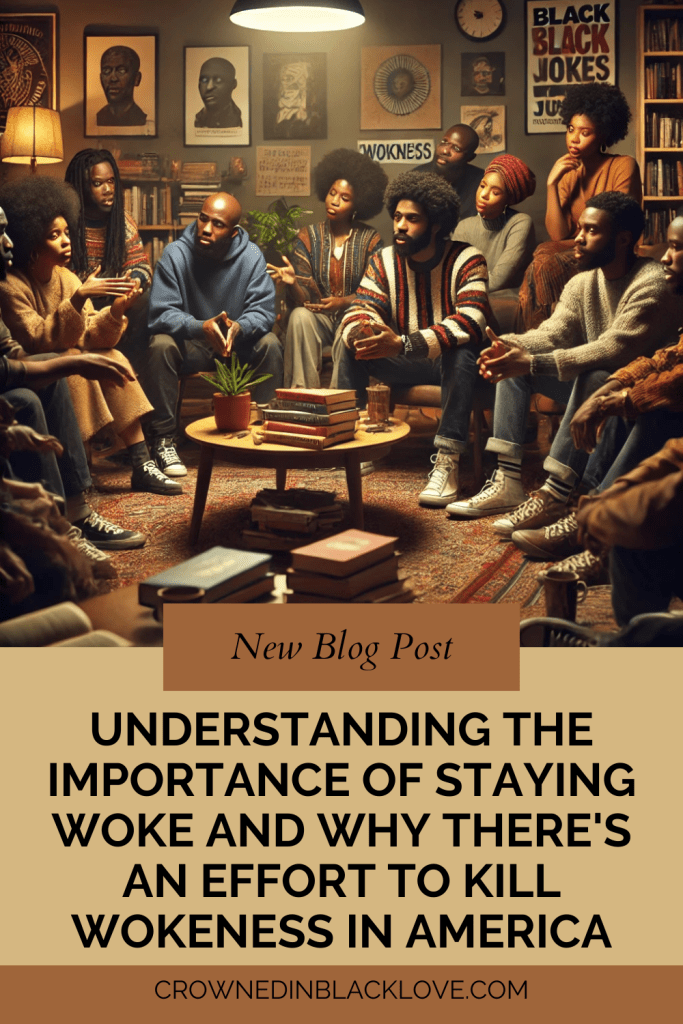
Understanding the Importance of Staying Woke and Why There’s an Effort to Kill Wokeness in America

In recent years, the term “woke” has become a popular part of public discourse, especially within the context of race and social justice. Initially, it referred to a heightened awareness of social issues, particularly those affecting marginalized communities. For Black people, being woke has been about recognizing and confronting systemic racism, discrimination, and inequality that permeates all aspects of society.

But lately, staying woke has come under attack. Political figures, media outlets, and even some educators have used the term as a weapon to dismiss or criticize those advocating for social change. There’s an ongoing campaign to kill “wokeness” in America, and it’s important to understand why it’s happening and why staying woke is more critical than ever, especially in the Black community.

In this post, we will explore the significance of staying woke, the history behind it, and why there is a deliberate effort to undermine this awareness.

1. What Does It Mean to Be Woke?

To “stay woke” means to remain conscious of and actively engage with the social and political issues that impact marginalized groups, especially the Black community. The term originated from African American Vernacular English (AAVE) and has roots in the Civil Rights Movement.

  • Awareness of Social Injustice: Staying woke involves being aware of ongoing inequalities in education, healthcare, housing, and employment, and recognizing how systems of oppression, like racism, sexism, and classism, create barriers to opportunity.
  • Raising Awareness: Being woke also means raising awareness among others about these issues, advocating for marginalized groups, and taking action to address these inequities. It’s about challenging the status quo and demanding that institutions, both public and private, uphold justice and equality.

2. The Importance of Staying Woke in the Black Community

For Black communities, staying woke is essential for survival and empowerment. Here’s why:

  • Fighting Systemic Racism: Black people in America have long been subjected to systemic racism—racism that is embedded in social, economic, and political institutions. By staying woke, Black communities can expose these systems of oppression, demand accountability, and work toward creating a more just society.
  • Creating Change: Staying woke allows Black people to engage in social justice movements that push for tangible change. Wokeness is not about simply being aware—it’s about taking action. Whether through activism, voting, or organizing, staying woke helps fuel movements that fight for Black rights, equality, and justice.
  • Empowering Future Generations: Teaching the next generation about wokeness means equipping them with the knowledge and tools to confront social issues and demand better for themselves and their communities. By staying woke, Black communities ensure that the fight for equality continues across generations.

3. The Effort to Kill Wokeness in America

Despite the importance of staying woke, there has been a growing backlash against it in recent years. Political figures, media outlets, and other powerful entities are waging an active campaign to discredit the very idea of wokeness.

  • Criticism and Demonization of Wokeness: Critics of wokeness argue that it promotes division, cancel culture, and an over-sensitivity to issues that don’t matter. Right-wing pundits and politicians, for example, have weaponized the term “woke” to frame it as a threat to traditional values, claiming it undermines freedom of speech and promotes “political correctness.”
  • Censorship and Bans on Teaching Critical Race Theory: In several states across the U.S., lawmakers are pushing for laws that ban the teaching of Critical Race Theory (CRT) and other discussions about race, inequality, and systemic oppression in schools. This move to censor education is part of a broader effort to prevent people from understanding the true history of race in America, which many see as an attempt to kill the movement toward social justice.
  • Undermining Social Justice Movements: Many of the policies and actions intended to kill wokeness focus on discrediting social justice movements like Black Lives Matter, women’s rights movements, and LGBTQ+ advocacy. By labeling these movements as “divisive” or “extreme,” opponents of wokeness try to undermine the credibility and importance of activism for marginalized communities.

4. Why the Attack on Wokeness Matters for Black Communities

The effort to kill wokeness is not just an attack on a buzzword—it’s an attack on the progress that has been made toward racial equality and justice. For Black communities, this backlash represents a return to an era of ignorance and inequality.

  • Erasing the Legacy of the Civil Rights Movement: The Civil Rights Movement was born out of a “woke” consciousness—a consciousness that recognized the deep-rooted injustice of segregation, disenfranchisement, and unequal rights. To undermine wokeness is to erase the legacy of those who fought for racial equality and justice. It is an attempt to rewrite history in a way that makes it easier for oppressive systems to continue unchecked.
  • Depriving Marginalized Groups of Their Voice: By attacking wokeness, those in power are silencing the voices of marginalized communities who have fought for years to have their stories heard. It is an effort to deny Black people the right to speak out about their experiences, struggles, and needs.
  • Slowing the Progress of Social Change: The push to discredit wokeness aims to slow the progress of racial and social change. When wokeness is delegitimized, policies that benefit marginalized communities, such as affirmative action, fair housing laws, and equal employment opportunities, are more likely to be rolled back. This makes it harder for Black Americans to achieve true equality.

5. How to Stay Woke and Continue the Fight

Even with the growing backlash against wokeness, it’s important for Black communities to continue to stay woke and fight for progress. Here’s how we can keep the momentum going:

  • Educate and Advocate: Continue to educate yourself and others about the history of racial inequality and injustice. Support and advocate for policies that promote racial equity, like reparations, prison reform, and affordable healthcare.
  • Engage in Activism: Whether through voting, participating in protests, or advocating for changes in local schools and institutions, activism remains a powerful tool for progress. Staying woke means staying engaged with the ongoing fight for racial justice.
  • Create and Share Awareness: Use social media platforms, blogs, and other forms of media to share important stories, articles, and resources that promote social justice. Continue to create spaces where Black voices are heard and valued.
  • Support Black Businesses and Institutions: Support Black-owned businesses, organizations, and initiatives that promote social justice and equality. By investing in our communities, we can build economic power and create lasting change.

Staying Woke is a Necessity, Not a Trend

Staying woke is about more than being aware of social injustices—it’s about fighting to change the systems that have historically oppressed Black people. While there is an active effort to kill wokeness in America, it is more important than ever for Black communities to remain vigilant and vocal in our pursuit of justice. Wokeness is not a trend or a buzzword; it is a vital movement for racial equality and the empowerment of marginalized people.

As long as injustice exists, staying woke will continue to be a powerful tool for change. Together, we must rise above the resistance and keep pushing for a society that acknowledges and addresses the reality of racial oppression.

Staying woke” is more than just a trend—it’s a vital movement for Black communities fighting for racial justice and equality. Learn why staying woke is critical and why there’s an active effort to silence it. #SocialJustice #BlackCommunity #Woke