Understanding the Importance of Staying Woke and Why There’s an Effort to Kill Wokeness in America

In recent years, the term “woke” has become a popular part of public discourse, especially within the context of race and social justice. Initially, it referred to a heightened awareness of social issues, particularly those affecting marginalized communities. For Black people, being woke has been about recognizing and confronting systemic racism, discrimination, and inequality that permeates all aspects of society.

But lately, staying woke has come under attack. Political figures, media outlets, and even some educators have used the term as a weapon to dismiss or criticize those advocating for social change. There’s an ongoing campaign to kill “wokeness” in America, and it’s important to understand why it’s happening and why staying woke is more critical than ever, especially in the Black community.

In this post, we will explore the significance of staying woke, the history behind it, and why there is a deliberate effort to undermine this awareness.

1. What Does It Mean to Be Woke?

To “stay woke” means to remain conscious of and actively engage with the social and political issues that impact marginalized groups, especially the Black community. The term originated from African American Vernacular English (AAVE) and has roots in the Civil Rights Movement.

  • Awareness of Social Injustice: Staying woke involves being aware of ongoing inequalities in education, healthcare, housing, and employment, and recognizing how systems of oppression, like racism, sexism, and classism, create barriers to opportunity.
  • Raising Awareness: Being woke also means raising awareness among others about these issues, advocating for marginalized groups, and taking action to address these inequities. It’s about challenging the status quo and demanding that institutions, both public and private, uphold justice and equality.
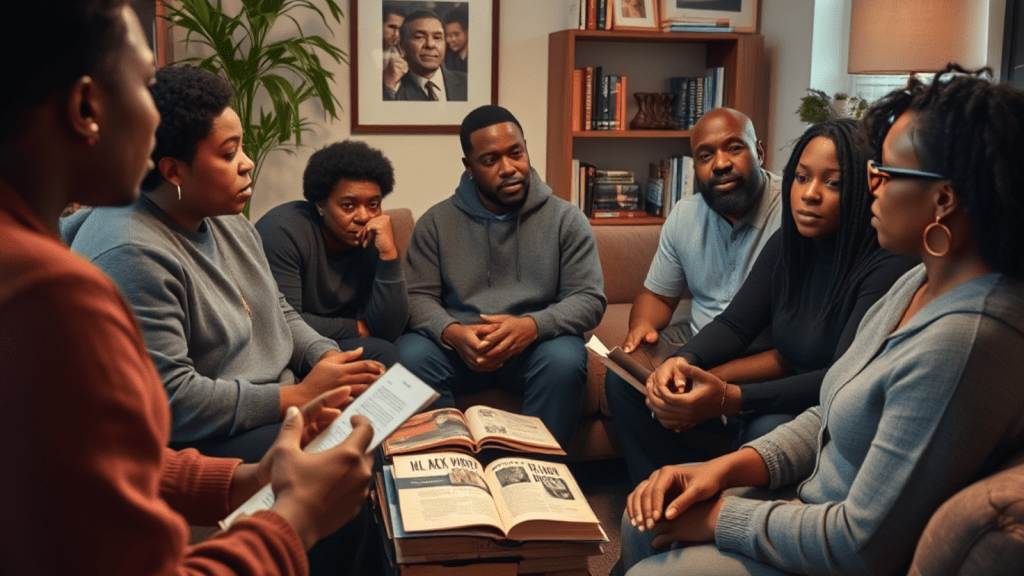
2. The Importance of Staying Woke in the Black Community

For Black communities, staying woke is essential for survival and empowerment. Here’s why:

  • Fighting Systemic Racism: Black people in America have long been subjected to systemic racism—racism that is embedded in social, economic, and political institutions. By staying woke, Black communities can expose these systems of oppression, demand accountability, and work toward creating a more just society.
  • Creating Change: Staying woke allows Black people to engage in social justice movements that push for tangible change. Wokeness is not about simply being aware—it’s about taking action. Whether through activism, voting, or organizing, staying woke helps fuel movements that fight for Black rights, equality, and justice.
  • Empowering Future Generations: Teaching the next generation about wokeness means equipping them with the knowledge and tools to confront social issues and demand better for themselves and their communities. By staying woke, Black communities ensure that the fight for equality continues across generations.

3. The Effort to Kill Wokeness in America

Despite the importance of staying woke, there has been a growing backlash against it in recent years. Political figures, media outlets, and other powerful entities are waging an active campaign to discredit the very idea of wokeness.

  • Criticism and Demonization of Wokeness: Critics of wokeness argue that it promotes division, cancel culture, and an over-sensitivity to issues that don’t matter. Right-wing pundits and politicians, for example, have weaponized the term “woke” to frame it as a threat to traditional values, claiming it undermines freedom of speech and promotes “political correctness.”
  • Censorship and Bans on Teaching Critical Race Theory: In several states across the U.S., lawmakers are pushing for laws that ban the teaching of Critical Race Theory (CRT) and other discussions about race, inequality, and systemic oppression in schools. This move to censor education is part of a broader effort to prevent people from understanding the true history of race in America, which many see as an attempt to kill the movement toward social justice.
  • Undermining Social Justice Movements: Many of the policies and actions intended to kill wokeness focus on discrediting social justice movements like Black Lives Matter, women’s rights movements, and LGBTQ+ advocacy. By labeling these movements as “divisive” or “extreme,” opponents of wokeness try to undermine the credibility and importance of activism for marginalized communities.

4. Why the Attack on Wokeness Matters for Black Communities

The effort to kill wokeness is not just an attack on a buzzword—it’s an attack on the progress that has been made toward racial equality and justice. For Black communities, this backlash represents a return to an era of ignorance and inequality.

  • Erasing the Legacy of the Civil Rights Movement: The Civil Rights Movement was born out of a “woke” consciousness—a consciousness that recognized the deep-rooted injustice of segregation, disenfranchisement, and unequal rights. To undermine wokeness is to erase the legacy of those who fought for racial equality and justice. It is an attempt to rewrite history in a way that makes it easier for oppressive systems to continue unchecked.
  • Depriving Marginalized Groups of Their Voice: By attacking wokeness, those in power are silencing the voices of marginalized communities who have fought for years to have their stories heard. It is an effort to deny Black people the right to speak out about their experiences, struggles, and needs.
  • Slowing the Progress of Social Change: The push to discredit wokeness aims to slow the progress of racial and social change. When wokeness is delegitimized, policies that benefit marginalized communities, such as affirmative action, fair housing laws, and equal employment opportunities, are more likely to be rolled back. This makes it harder for Black Americans to achieve true equality.

5. How to Stay Woke and Continue the Fight

Even with the growing backlash against wokeness, it’s important for Black communities to continue to stay woke and fight for progress. Here’s how we can keep the momentum going:

  • Educate and Advocate: Continue to educate yourself and others about the history of racial inequality and injustice. Support and advocate for policies that promote racial equity, like reparations, prison reform, and affordable healthcare.
  • Engage in Activism: Whether through voting, participating in protests, or advocating for changes in local schools and institutions, activism remains a powerful tool for progress. Staying woke means staying engaged with the ongoing fight for racial justice.
  • Create and Share Awareness: Use social media platforms, blogs, and other forms of media to share important stories, articles, and resources that promote social justice. Continue to create spaces where Black voices are heard and valued.
  • Support Black Businesses and Institutions: Support Black-owned businesses, organizations, and initiatives that promote social justice and equality. By investing in our communities, we can build economic power and create lasting change.

Staying Woke is a Necessity, Not a Trend

Staying woke is about more than being aware of social injustices—it’s about fighting to change the systems that have historically oppressed Black people. While there is an active effort to kill wokeness in America, it is more important than ever for Black communities to remain vigilant and vocal in our pursuit of justice. Wokeness is not a trend or a buzzword; it is a vital movement for racial equality and the empowerment of marginalized people.

As long as injustice exists, staying woke will continue to be a powerful tool for change. Together, we must rise above the resistance and keep pushing for a society that acknowledges and addresses the reality of racial oppression.
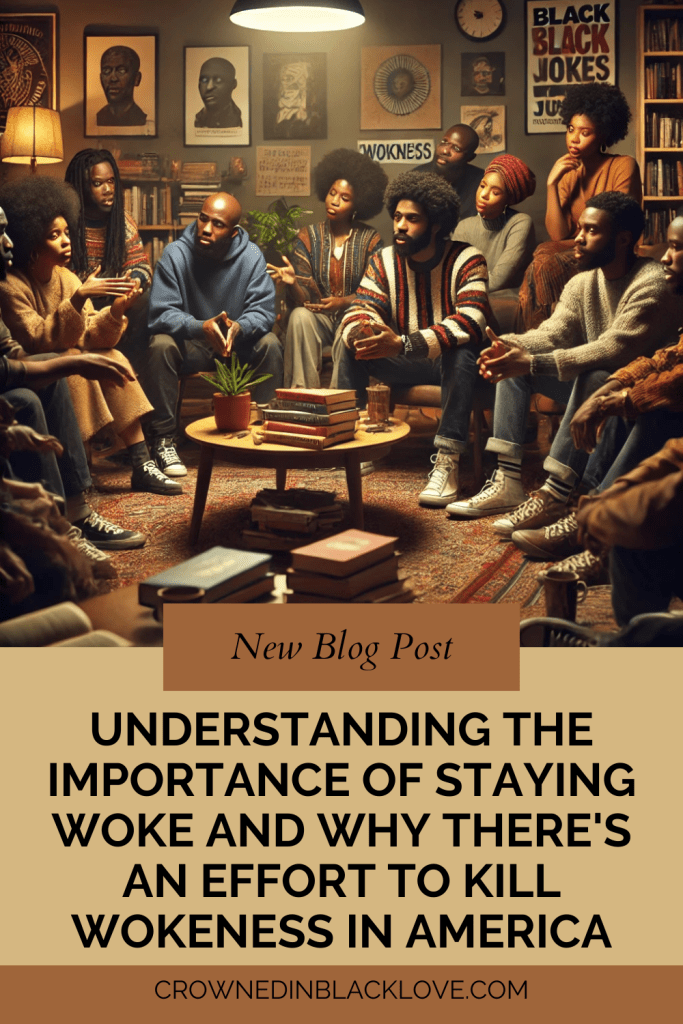
Staying woke” is more than just a trend—it’s a vital movement for Black communities fighting for racial justice and equality. Learn why staying woke is critical and why there’s an active effort to silence it. #SocialJustice #BlackCommunity #Woke

Understanding DEI and Why It’s Crucial for Black Communities

In recent years, the conversation around DEI—Diversity, Equity, and Inclusion—has gained traction in many sectors of society, from schools to workplaces and government policies. However, alongside its rise, there has also been an attempt to discredit, limit, and even erase DEI from educational curricula and professional spaces. For Black communities, the concept of DEI is not just a trendy buzzword; it’s a lifeline that can dismantle centuries-old systems of oppression and provide real opportunities for growth, representation, and equality.

In this blog post, we will dive deep into understanding what DEI really means, why it is so crucial for Black communities, and how miseducation and opposition to DEI threaten the progress we’ve worked so hard to achieve.

1. What Is DEI?

Before we can understand why DEI is vital to Black communities, it’s essential to define what it stands for.

  • Diversity refers to the presence of people from different backgrounds, races, ethnicities, genders, religions, and experiences. In a diverse environment, different perspectives and life experiences are represented and valued.
  • Equity goes beyond equality and focuses on providing fair opportunities and treatment for everyone, particularly by addressing historical disparities. Equity acknowledges that not everyone starts at the same place and that some individuals or groups may need extra support to achieve equal outcomes.
  • Inclusion ensures that diverse individuals not only have a seat at the table but that they are also included in decision-making processes and feel respected, heard, and valued in their spaces.

For Black communities, DEI represents a commitment to creating spaces where Black people are not only present but are given equal opportunities, voice, and support to thrive.

2. Why DEI Is Essential for Black Communities

DEI plays a critical role in transforming systems that have historically excluded, oppressed, and marginalized Black people. For Black communities, it’s more than just a “nice-to-have” policy—it’s an urgent necessity.

  • Addressing Historical Inequities: Centuries of slavery, segregation, and systemic racism have left lasting scars on Black communities. DEI policies work to address these long-standing disparities by leveling the playing field in education, employment, healthcare, and more. By implementing DEI, organizations can create more equitable opportunities and reduce the systemic barriers that have prevented Black individuals from reaching their full potential.
  • Ensuring Representation and Visibility: DEI brings visibility to underrepresented groups, ensuring that Black people, along with other marginalized communities, have the opportunity to be seen and heard in critical spaces. This representation is vital, as it helps young Black children see role models who look like them and dream bigger, whether it’s in the boardroom, the classroom, or the media.
  • Shifting the Narrative: DEI pushes back against harmful stereotypes and misconceptions about Black people. By fostering inclusion and promoting diverse perspectives, it challenges the dominant narrative that has often portrayed Black communities as “less than” or inferior. It offers the opportunity to rewrite the story and show the world the true depth of Black culture, intelligence, and resilience.

3. The Miseducation and Opposition to DEI

While DEI has the potential to bring about transformative change, it’s also facing significant resistance from various political groups, organizations, and individuals. The opposition to DEI is often rooted in miseducation and misinformation, and this is especially harmful to the Black community.

  • Framing DEI as Divisive: Some critics of DEI argue that it divides people along racial or ethnic lines, creating an “us vs. them” mentality. However, this argument misrepresents the true intent of DEI, which is to unite people by recognizing and valuing their differences. The goal is not to create division but to promote understanding, acceptance, and equal treatment for all.
  • Misunderstanding Equity vs. Equality: Another point of contention in the opposition to DEI is the misunderstanding of the difference between equity and equality. Some detractors claim that equity implies “special treatment” for certain groups, but in reality, equity is about addressing existing imbalances and ensuring that everyone has what they need to succeed. Opposing equity, particularly for Black communities, ignores the fact that systemic inequality has existed for centuries and continues to impact marginalized communities.
  • Banning DEI from Schools and Workplaces: There has been an increasing movement to ban DEI initiatives in schools and workplaces across the country. This includes attempts to eliminate discussions of race, diversity, and social justice from curricula and training programs. By removing DEI from educational and professional spaces, we risk returning to a time when Black people’s contributions, challenges, and needs were ignored and erased. This backlash against DEI is a direct threat to the progress we’ve made toward equality.

4. Why We Need DEI Now More Than Ever

The fight for DEI is far from over, and it’s more crucial now than ever for the Black community to support and advocate for these principles. Here’s why:

  • Rising Racial Tensions: Despite progress, racial tensions and disparities in America are still pervasive. From police brutality to disproportionate incarceration rates to economic inequality, Black Americans continue to face challenges that DEI can help address. Promoting diversity, equity, and inclusion ensures that Black voices are prioritized in conversations about reform and progress.
  • Fostering Stronger Communities: Communities that embrace DEI are stronger and more resilient. By fostering inclusivity and opportunity, we create environments where individuals from all walks of life—especially Black people—can thrive and contribute to the greater good. DEI is about uplifting everyone, which in turn uplifts entire communities.
  • Advancing Long-Term Change: DEI is not just about addressing immediate issues but about creating a long-term foundation for change. When we prioritize DEI in schools, workplaces, and government policies, we lay the groundwork for a future where racial inequality is no longer a barrier to success. For the Black community, this can mean better schools, fairer jobs, safer neighborhoods, and more opportunities for upward mobility.

5. How Black Communities Can Support and Advocate for DEI

The fight for DEI requires active engagement, especially from the Black community. Here are some ways we can support DEI in our communities:

  • Educate Ourselves and Others: Knowledge is power. By understanding what DEI means and how it impacts our lives, we can educate others in our communities. Encourage local schools, workplaces, and organizations to implement DEI policies and offer training that promotes understanding and inclusion.
  • Advocate for Policy Change: Support political candidates, organizations, and leaders who prioritize DEI. Advocate for policies that address systemic racism, economic inequality, and educational access for Black Americans. Encourage local leaders and institutions to adopt DEI initiatives that ensure Black people have a seat at the table and equal opportunities to succeed.
  • Hold Institutions Accountable: When we see schools, companies, or governments resisting or rolling back DEI initiatives, it’s important to speak up. Petition, protest, and demand accountability. DEI is not just a luxury—it’s a necessity for creating a just and equitable society for Black communities.

Conclusion: DEI Is the Path to Equality and Empowerment

Understanding and supporting DEI is essential for creating a more equitable society. For Black communities, it’s an opportunity to address historical injustices, ensure equal opportunities, and build a future that celebrates diversity and inclusion. Despite the opposition and miseducation surrounding DEI, it is a powerful tool that can create lasting change. As we continue to advocate for DEI, we empower future generations of Black people to thrive, contribute, and live in a world where they are valued and heard.

DEI is vital for empowering Black communities and fighting systemic inequality. Learn why it’s crucial to support diversity, equity, and inclusion in schools, workplaces, and beyond. #BlackCommunity #DEI #SocialJustic

A Change Is Going to Come: A Poem Inspired by Sam Cooke

In 1964, Sam Cooke penned a song that would become an anthem of hope and resilience: “A Change Is Gonna Come.” In the wake of the Civil Rights Movement, Cooke’s soulful ballad echoed the struggles of Black Americans, while igniting a deep sense of perseverance and belief in the inevitable triumph of justice and equality. Inspired by Cooke’s message, this poem reflects that same powerful belief in change. It is a call to action, a reminder of the tireless fight for freedom, and an affirmation that brighter days are ahead, despite the darkness of the present.

A Change Is Gonna Come

I’ve walked through the shadows, been lost in the night,
Searched for the dawn, and held on to the light.
The chains that bind us, they may seem too strong,
But I’ve known from the start: we’ve been right all along.

Through the rivers of sorrow, through mountains so tall,
We’ve cried, we’ve bled, yet we stand tall,
A storm may rage, and the winds may scream,
But we’re warriors born, with an unbreakable dream.

They’ve tried to keep us down, tried to bury our soul,
But still, we rise, and we take control.
Our voices unite, like a force untamed,
No more silence—our power reclaimed.

I’ve seen the pain, the injustice, the lie,
But I won’t give up, and I won’t deny,
The truth in my heart, and the strength in my hand,
We are the future, and together we’ll stand.

A change is gonna come, you can hear it in the air,
A ripple of hope, so strong, so rare.
For the world can’t silence what it cannot fight,
The will of the people, the flame of the light.

The road may be long, and the journey unclear,
But we’ve traveled this way before—don’t fear.
The change is rising, it’s ready to roar,
And when it arrives, we’ll be stronger than before.

So hold fast, my people, hold fast to the dream,
A future of justice, of peace, of esteem.
The world may bend, and the winds may roar,
But we’ll rise again, and we’ll open the door.

Closing Thoughts:

Much like Sam Cooke’s song, this poem honors the struggles, resilience, and eventual triumph of Black people throughout history. The fight for justice, equality, and love is ongoing—but change, powerful change, is inevitable. We continue to rise, despite the darkness, and we will see the dawn of a brighter, better future for ourselves, our children, and generations to come.

Inspired by Sam Cooke’s anthem, this poem is a reminder that change is coming. We rise, we fight, and we’ll see the dawn of justice. #ChangeIsComing #Hope #Resilience #BlackHistory