Skip to content

Crowned in Black Love

Tag: Civic Engagement

Why Voting Matters in the Black Community

Published on February 12, 2025February 16, 2025 by Black Royalty1 Comment

When you hear the phrase “Your vote matters,” what does it really mean? Voting is more than just ticking a box on a ballot—it’s one of the most powerful ways to influence change, create a better future, and hold our leaders accountable. For the Black community, voting holds deep significance, not only because it’s a right we fought long and hard for, but also because it’s a tool we can use to bring about meaningful progress.

In this blog, we’ll explore why voting matters so much in the Black community and how making our voices heard at the polls can lead to positive change for generations to come.

1. A Hard-Won Right:

For centuries, Black Americans fought for the right to vote. From the Civil War to the Civil Rights Movement, countless Black leaders and activists worked tirelessly to ensure that Black people could vote freely and without barriers. The struggle wasn’t easy—there were literacy tests, poll taxes, and outright violence aimed at preventing Black voters from having a say in their future.

That fight continues today, as we still face challenges such as voter suppression and gerrymandering. But knowing the sacrifices made by those who came before us is a reminder of how powerful our vote truly is. When we vote, we honor the struggle for equality and justice that has been a part of Black history.
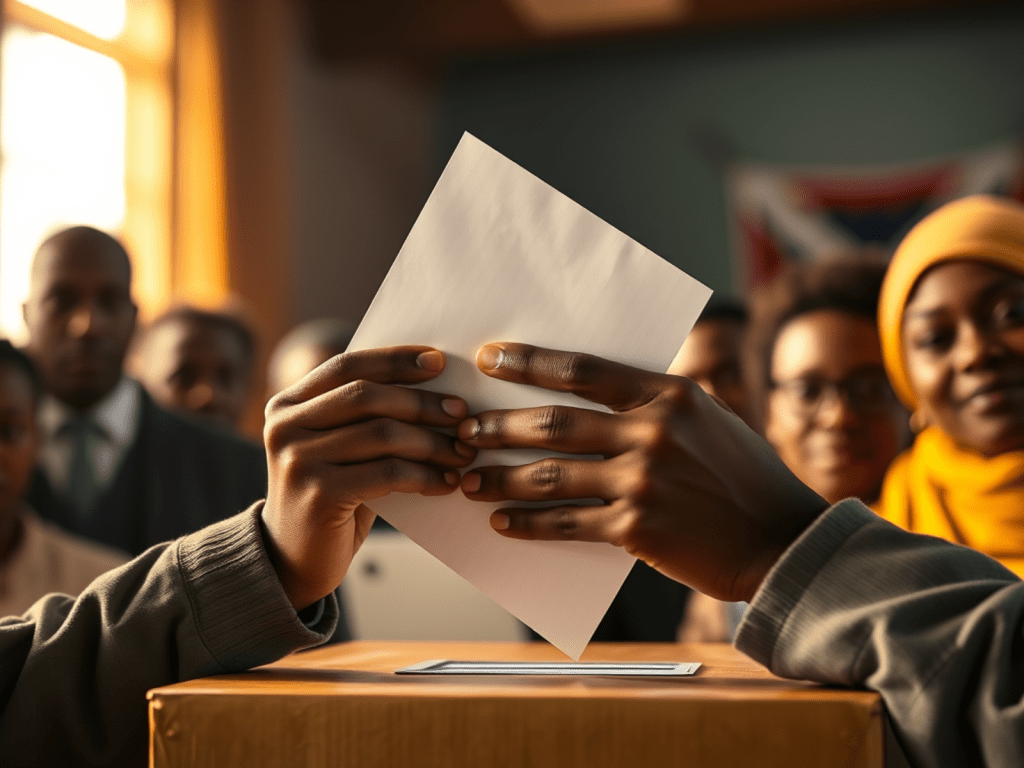
2. Shaping Policies That Affect Us:

When we vote, we have the opportunity to elect leaders who represent our values and fight for policies that matter to our community. Whether it’s education, criminal justice reform, healthcare, or economic equality, our votes help decide who is in power and what issues they prioritize.

Many policies that directly affect the Black community—like police reform, voting rights, and access to affordable healthcare—are determined by elected officials. By voting, we are directly influencing decisions that can improve our lives and our communities. Not voting means allowing others to make decisions for us without our input, which can lead to policies that don’t reflect our needs or concerns.

3. Representation Matters:

It’s not enough to just vote—we also need to make sure our communities are well-represented. Voting for candidates who understand the unique challenges faced by Black people ensures that our voices are heard at every level of government. Whether it’s electing Black leaders or allies who champion policies that support racial justice, representation matters in shaping the laws that govern us.

Having representatives who understand our experiences can make a world of difference in creating change. For example, during the Civil Rights Movement, Black leaders in Congress played crucial roles in passing landmark legislation like the Civil Rights Act and the Voting Rights Act. When we vote, we increase the likelihood of electing more leaders who can continue that legacy.

4. Fighting for Social Justice:

Social justice issues that affect the Black community—such as police violence, systemic racism, and economic inequality—are often influenced by the leaders we elect. Voting is one of the most powerful ways we can advocate for justice. By supporting candidates who are committed to fighting racial injustice and inequality, we are helping to push for a future where everyone has a fair chance at success.

For example, in recent years, the Black Lives Matter movement has sparked national conversations about police brutality and the need for criminal justice reform. Voting for leaders who take these issues seriously can help turn these conversations into real change. Our vote is one of the strongest tools we have to demand that the issues we care about are addressed.

5. Building a Stronger Community:

Voting also strengthens our community by bringing us together for a common purpose. When we mobilize to vote, we build unity around shared values and goals. It’s an opportunity for us to show up for each other, organize, and make our voices heard as a collective force.

Community engagement through voting also promotes civic responsibility. When we vote, we are setting an example for the next generation. Children who see their parents and family members vote are more likely to grow up valuing their right to participate in democracy and continue the tradition of voting in future elections.

6. Creating Long-Term Change:

Voting is not just about one election; it’s about creating lasting change. Every election, whether local, state, or national, has an impact. Voting for leaders who prioritize issues like education, affordable housing, healthcare, and job opportunities can set the stage for long-term progress.

By continuously engaging in the political process, we ensure that our needs are met over time. We can hold elected officials accountable and push for policies that will continue to improve the quality of life for Black families and communities.

Conclusion:

Voting is a powerful tool for change in the Black community. It’s a right that was hard-won and should never be taken for granted. When we vote, we honor the legacy of those who fought for equality, we shape policies that directly affect our lives, and we advocate for the issues that matter most to our communities.

Every election is an opportunity to make a difference. Your vote is your voice, and when you use it, you are actively participating in the creation of a better future for Black America. Let’s honor our past, fight for our present, and vote for a brighter tomorrow.
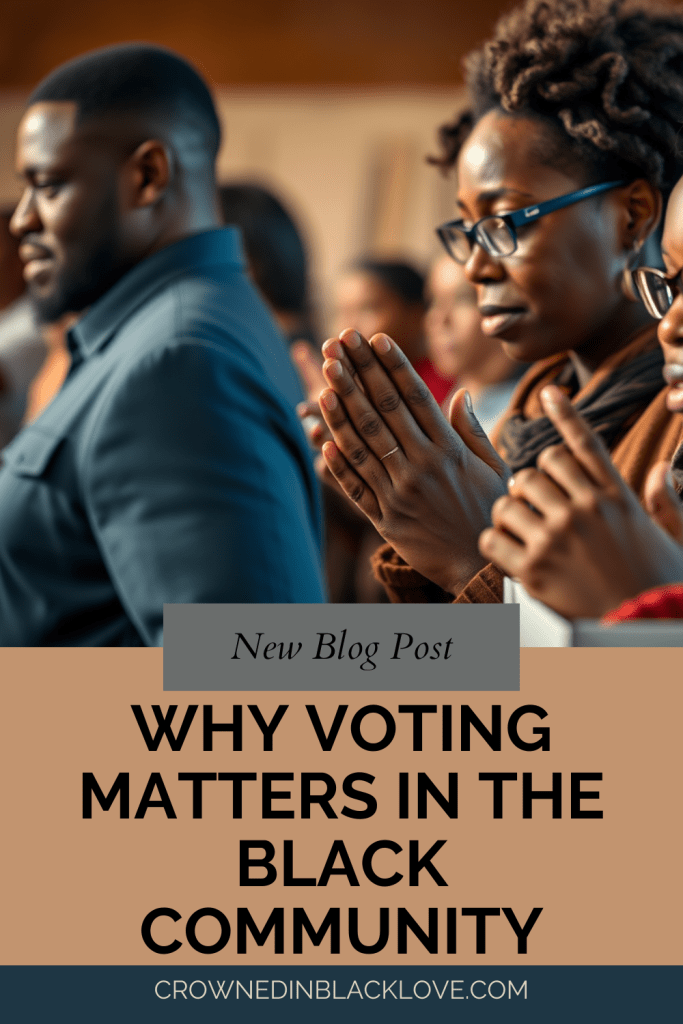
Voting matters in the Black community! It’s a tool for change, justice, and progress. Let’s use our voices to shape the future we deserve. #BlackCommunity #VotingMatters #CivicEngagement [link]

Categories Advocacy, Black Community, Civic Engagement, Social Change•Tags Black Community, Civic Engagement, Empowerment, Social Justice, Voting

The Importance of Understanding the U.S. Government for Black Americans

Published on February 5, 2025February 5, 2025 by Black Royalty1 Comment

Understanding how the U.S. government operates is one of the most powerful tools for creating lasting change, especially for the Black community. For generations, systemic barriers have limited the opportunities, rights, and freedoms available to Black Americans. To break down these barriers and create a more just society, it’s essential to understand how government decisions are made, how laws are passed, and how to use the system to advocate for change.

While many may feel disconnected from politics or overwhelmed by the complexities of government, knowledge is power. When Black Americans understand the structure and functions of the U.S. government, they are better equipped to advocate for their communities, influence policy, and ensure their voices are heard in the political process. In this blog, we’ll explore why understanding the U.S. government is critical for Black Americans and how it empowers individuals and communities to fight for equality and justice.

The Power of Civic Engagement

One of the primary reasons for understanding the U.S. government is the power it gives to individuals to engage in the political process. The government has a direct impact on the quality of life for Black Americans, from education and healthcare to housing and criminal justice. By understanding how government works, Black Americans can better engage with elected officials, advocate for policies that benefit their communities, and hold leaders accountable.

Voting is one of the most fundamental ways to participate in the democratic process. But voting is just the beginning. To be truly effective, Black Americans must also understand how to engage with lawmakers, participate in public hearings, and organize community action. A deep understanding of the government’s structure and processes allows individuals to move beyond simply voting—they can become advocates, activists, and informed citizens who push for real change.

Navigating the Branches of Government

The U.S. government is made up of three branches: the Executive Branch, the Legislative Branch, and the Judicial Branch. Each branch plays a vital role in shaping the laws and policies that impact Black Americans, and understanding their functions is essential for advocacy.

  1. The Executive Branch – Led by the President, this branch is responsible for enforcing the laws passed by Congress. Understanding the power of the Executive Branch allows Black Americans to recognize how executive orders, policies, and appointments affect their lives. For instance, a President’s choices for Supreme Court nominations or the enforcement of civil rights laws can have lasting effects on racial equality in America.
  2. The Legislative Branch – The Congress, which consists of the Senate and the House of Representatives, is responsible for creating and passing laws. Many of the issues that directly affect Black Americans, such as criminal justice reform, education funding, and voting rights, are determined by the laws passed in Congress. By understanding how to work with lawmakers, Black Americans can influence the creation of policies that support their community’s needs.
  3. The Judicial Branch – This branch interprets the laws and ensures they are applied fairly. Understanding how the judiciary works is vital because the court system plays a critical role in upholding or striking down laws that affect Black Americans. For example, the outcomes of landmark Supreme Court cases on segregation, voting rights, and affirmative action have had profound effects on Black civil rights. Knowing how the judicial system works allows individuals to advocate for fair treatment and challenge unjust policies.

Advocating for Black Rights Through Policy

To make meaningful progress in the fight for racial equality, it is essential to understand how policies are created and enacted. Government policies directly impact issues such as access to quality education, healthcare, affordable housing, criminal justice reform, and employment opportunities. When Black Americans are well-informed about how policies are shaped, they are in a better position to demand equitable policies and advocate for laws that dismantle institutional racism.

For example, learning about the legislative process and how to approach lawmakers with proposals for change empowers individuals to propose laws that directly address the needs of the Black community. By working together as a collective force, communities can influence the political landscape and push for policies that create lasting, positive change.

Holding Government Accountability

Understanding how the U.S. government works is also crucial for holding government officials accountable. Throughout history, Black Americans have been marginalized by policies and laws that have perpetuated systemic inequality. By learning about the structures of power, Black Americans can ensure that those in power are held accountable for their actions.

This includes understanding how to challenge unfair laws through litigation, how to organize grassroots campaigns that demand policy changes, and how to track government spending and program effectiveness. Holding elected officials accountable is not just about voting—it’s about staying informed and actively participating in processes that ensure the government is serving the people, particularly marginalized communities.

Creating a Legacy of Empowerment

For future generations of Black Americans, understanding the government is critical to continuing the fight for equality and justice. By passing down knowledge of the political system, Black families can empower their children to be active participants in their own futures. From teaching children about their voting rights to encouraging them to pursue careers in law, politics, or social justice, creating a legacy of civic engagement ensures that the fight for civil rights continues for generations to come.

In addition, as more Black Americans pursue positions of power in politics, law, and leadership, it is essential to have a community that understands the workings of government to support and amplify these efforts. By collectively engaging in the political process, Black Americans can build a strong, unified voice that brings about lasting change.

Conclusion:

The importance of understanding the U.S. government for Black Americans cannot be overstated. It is the key to unlocking the power to advocate for justice, hold leaders accountable, and fight for policies that benefit our communities. By gaining knowledge about the structure of government and how laws are created, Black Americans can better influence the political process and work towards creating a more just and equitable society.

When we understand our government, we can demand the change we deserve. From voting and advocacy to policy creation and accountability, the more we know, the more we can shape our futures and build a legacy of empowerment. Knowledge of government is not just a tool—it’s a transformative force that strengthens the Black community and pushes us closer to the equality we’ve been striving for.

Understanding the U.S. government is vital for Black Americans! It empowers us to fight for justice, advocate for policies, and hold leaders accountable. Let’s learn how to use our voices to create change! #BlackCommunity #CivicEngagement #PoliticalPower

Categories Community Empowerment, Government, politics•Tags Advocacy, Black Americans, Civic Engagement, democracy, Equality, history, law, news, Political Knowledge, politics, U.S. Government
Blog at WordPress.com.
  • Subscribe Subscribed
    • Crowned in Black Love
    • Already have a WordPress.com account? Log in now.
    • Crowned in Black Love
    • Subscribe Subscribed
    • Sign up
    • Log in
    • Report this content
    • View site in Reader
    • Manage subscriptions
    • Collapse this bar
 

Loading Comments...