
How to Reach Your Local Representative and Impact Change in the Black Community

Do you want to make a difference in your community? One of the most effective ways to bring about change is by reaching out to your local representative. Whether it’s advocating for justice, education, healthcare, or civil rights, your representative can play a vital role in addressing issues that matter to you.

For Black communities, advocating for policies and laws that support equity and justice is essential. And the best way to get started is by contacting the person who represents you in government. In this blog, we’ll walk you through how to reach your local representative and use your voice to create meaningful change.

1. Find Your Local Representative:

The first step is identifying who your local representative is. Every neighborhood or district has an elected official who represents the community’s interests in local, state, or federal government. To find your representative, you can use websites like:

  • Congress.gov for federal representatives (Senators and U.S. House members).
  • Common Cause’s Find Your Representative to look up your local representatives based on your zip code or address.

Knowing who represents you is key to making sure your message gets to the right person.

2. Use Multiple Communication Channels:

Once you know who your representative is, you have several ways to reach out and make an impact. Consider using these channels:

  • Phone Calls: Calling is often one of the fastest ways to get your message across. Most representatives have both local and national office numbers. When you call, politely share your concerns and ask your representative to take action on a specific issue.
  • Emails and Letters: Writing an email or physical letter allows you to clearly express your concerns and requests. Make sure to be brief and to the point. Include your name, address, and a clear message about what you would like the representative to do. If you’re advocating for a specific bill or law, provide some background information and a personal story on how it impacts your community.
  • Social Media: Many representatives are active on platforms like Twitter, Facebook, and Instagram. You can tweet, tag them in posts, or comment on their social media pages. This is a great way to raise awareness about important issues in a public way, and it shows that your concerns are being heard by others in the community.
  • Town Halls and Public Meetings: Representatives often host town hall meetings or public forums where you can ask questions directly. Attend these events to speak up about issues you care about. It’s also a chance to hear how they plan to address your concerns.

3. Be Clear and Concise:

When reaching out to your representative, it’s important to be clear about your issue. Whether you’re advocating for policy changes in education, voting rights, criminal justice, or other concerns impacting the Black community, make sure your message is specific and to the point.

Explain why the issue matters to you and how it impacts your community. If you’re asking for a particular action (like supporting or opposing a bill), be sure to include that in your message. The clearer you are about what you want, the easier it is for your representative to understand and act on your concerns.

4. Build Community Support:

One person’s voice is powerful, but a collective voice is even stronger. If you’re passionate about an issue affecting the Black community, gather others who feel the same way. Whether it’s organizing a petition, hosting a community meeting, or planning a rally, working together can make a big difference.

When a group of people speaks out, it shows your representative that there is a strong, united community pushing for change. You can also ask others to contact their representatives and share their opinions too. This shows that your concerns are widespread, not just personal.

5. Follow Up:

After reaching out to your representative, be sure to follow up. Representatives are busy and may not immediately respond to every message, so a polite follow-up call or email can help remind them of your request. Be patient but persistent, especially if your issue is important.

If you attended a town hall or sent a letter, check back to see if there are updates on the issue. And don’t forget to keep your community informed about the status of the issue you’re advocating for.

Conclusion:

Reaching out to your local representative is an important way to bring attention to the issues that matter most to the Black community. Whether you’re advocating for justice, equal rights, or community resources, your voice can make a real difference in shaping policies that affect your everyday life.

By knowing who your representative is, using multiple communication channels, and staying clear and persistent in your message, you can create change that has a lasting impact. And when you build community support, you make your efforts even stronger.

The future of the Black community depends on the actions we take today. Let’s make our voices heard and advocate for a better tomorrow!
Want to create change in your community? Here’s how to reach your local representative and make your voice heard. Advocate for issues that matter to the Black community and help make a difference! #BlackCommunity #Advocacy #PoliticalPower

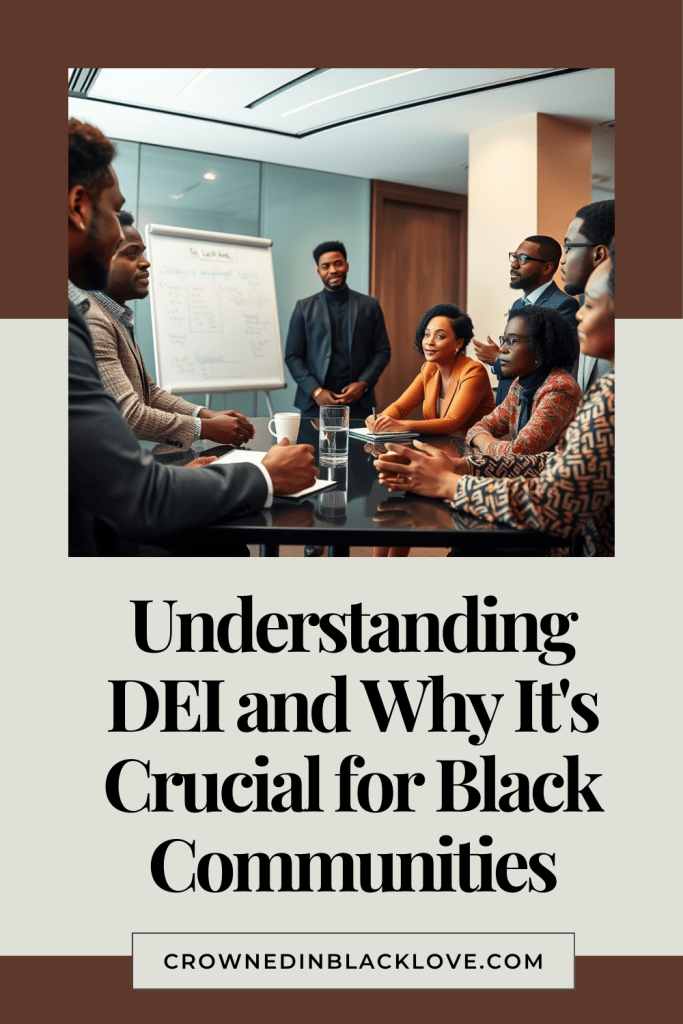
Understanding DEI and Why It’s Crucial for Black Communities

In recent years, the conversation around DEI—Diversity, Equity, and Inclusion—has gained traction in many sectors of society, from schools to workplaces and government policies. However, alongside its rise, there has also been an attempt to discredit, limit, and even erase DEI from educational curricula and professional spaces. For Black communities, the concept of DEI is not just a trendy buzzword; it’s a lifeline that can dismantle centuries-old systems of oppression and provide real opportunities for growth, representation, and equality.

In this blog post, we will dive deep into understanding what DEI really means, why it is so crucial for Black communities, and how miseducation and opposition to DEI threaten the progress we’ve worked so hard to achieve.

1. What Is DEI?

Before we can understand why DEI is vital to Black communities, it’s essential to define what it stands for.

  • Diversity refers to the presence of people from different backgrounds, races, ethnicities, genders, religions, and experiences. In a diverse environment, different perspectives and life experiences are represented and valued.
  • Equity goes beyond equality and focuses on providing fair opportunities and treatment for everyone, particularly by addressing historical disparities. Equity acknowledges that not everyone starts at the same place and that some individuals or groups may need extra support to achieve equal outcomes.
  • Inclusion ensures that diverse individuals not only have a seat at the table but that they are also included in decision-making processes and feel respected, heard, and valued in their spaces.

For Black communities, DEI represents a commitment to creating spaces where Black people are not only present but are given equal opportunities, voice, and support to thrive.

2. Why DEI Is Essential for Black Communities

DEI plays a critical role in transforming systems that have historically excluded, oppressed, and marginalized Black people. For Black communities, it’s more than just a “nice-to-have” policy—it’s an urgent necessity.

  • Addressing Historical Inequities: Centuries of slavery, segregation, and systemic racism have left lasting scars on Black communities. DEI policies work to address these long-standing disparities by leveling the playing field in education, employment, healthcare, and more. By implementing DEI, organizations can create more equitable opportunities and reduce the systemic barriers that have prevented Black individuals from reaching their full potential.
  • Ensuring Representation and Visibility: DEI brings visibility to underrepresented groups, ensuring that Black people, along with other marginalized communities, have the opportunity to be seen and heard in critical spaces. This representation is vital, as it helps young Black children see role models who look like them and dream bigger, whether it’s in the boardroom, the classroom, or the media.
  • Shifting the Narrative: DEI pushes back against harmful stereotypes and misconceptions about Black people. By fostering inclusion and promoting diverse perspectives, it challenges the dominant narrative that has often portrayed Black communities as “less than” or inferior. It offers the opportunity to rewrite the story and show the world the true depth of Black culture, intelligence, and resilience.

3. The Miseducation and Opposition to DEI

While DEI has the potential to bring about transformative change, it’s also facing significant resistance from various political groups, organizations, and individuals. The opposition to DEI is often rooted in miseducation and misinformation, and this is especially harmful to the Black community.

  • Framing DEI as Divisive: Some critics of DEI argue that it divides people along racial or ethnic lines, creating an “us vs. them” mentality. However, this argument misrepresents the true intent of DEI, which is to unite people by recognizing and valuing their differences. The goal is not to create division but to promote understanding, acceptance, and equal treatment for all.
  • Misunderstanding Equity vs. Equality: Another point of contention in the opposition to DEI is the misunderstanding of the difference between equity and equality. Some detractors claim that equity implies “special treatment” for certain groups, but in reality, equity is about addressing existing imbalances and ensuring that everyone has what they need to succeed. Opposing equity, particularly for Black communities, ignores the fact that systemic inequality has existed for centuries and continues to impact marginalized communities.
  • Banning DEI from Schools and Workplaces: There has been an increasing movement to ban DEI initiatives in schools and workplaces across the country. This includes attempts to eliminate discussions of race, diversity, and social justice from curricula and training programs. By removing DEI from educational and professional spaces, we risk returning to a time when Black people’s contributions, challenges, and needs were ignored and erased. This backlash against DEI is a direct threat to the progress we’ve made toward equality.

4. Why We Need DEI Now More Than Ever

The fight for DEI is far from over, and it’s more crucial now than ever for the Black community to support and advocate for these principles. Here’s why:

  • Rising Racial Tensions: Despite progress, racial tensions and disparities in America are still pervasive. From police brutality to disproportionate incarceration rates to economic inequality, Black Americans continue to face challenges that DEI can help address. Promoting diversity, equity, and inclusion ensures that Black voices are prioritized in conversations about reform and progress.
  • Fostering Stronger Communities: Communities that embrace DEI are stronger and more resilient. By fostering inclusivity and opportunity, we create environments where individuals from all walks of life—especially Black people—can thrive and contribute to the greater good. DEI is about uplifting everyone, which in turn uplifts entire communities.
  • Advancing Long-Term Change: DEI is not just about addressing immediate issues but about creating a long-term foundation for change. When we prioritize DEI in schools, workplaces, and government policies, we lay the groundwork for a future where racial inequality is no longer a barrier to success. For the Black community, this can mean better schools, fairer jobs, safer neighborhoods, and more opportunities for upward mobility.

5. How Black Communities Can Support and Advocate for DEI

The fight for DEI requires active engagement, especially from the Black community. Here are some ways we can support DEI in our communities:

  • Educate Ourselves and Others: Knowledge is power. By understanding what DEI means and how it impacts our lives, we can educate others in our communities. Encourage local schools, workplaces, and organizations to implement DEI policies and offer training that promotes understanding and inclusion.
  • Advocate for Policy Change: Support political candidates, organizations, and leaders who prioritize DEI. Advocate for policies that address systemic racism, economic inequality, and educational access for Black Americans. Encourage local leaders and institutions to adopt DEI initiatives that ensure Black people have a seat at the table and equal opportunities to succeed.
  • Hold Institutions Accountable: When we see schools, companies, or governments resisting or rolling back DEI initiatives, it’s important to speak up. Petition, protest, and demand accountability. DEI is not just a luxury—it’s a necessity for creating a just and equitable society for Black communities.

Conclusion: DEI Is the Path to Equality and Empowerment

Understanding and supporting DEI is essential for creating a more equitable society. For Black communities, it’s an opportunity to address historical injustices, ensure equal opportunities, and build a future that celebrates diversity and inclusion. Despite the opposition and miseducation surrounding DEI, it is a powerful tool that can create lasting change. As we continue to advocate for DEI, we empower future generations of Black people to thrive, contribute, and live in a world where they are valued and heard.

DEI is vital for empowering Black communities and fighting systemic inequality. Learn why it’s crucial to support diversity, equity, and inclusion in schools, workplaces, and beyond. #BlackCommunity #DEI #SocialJustic