Overcoming Parenting Challenges as a Black Family

Navigating the System

Parenting in today’s world comes with its fair share of challenges. However, for Black families, these challenges can often be compounded by systemic biases in education, healthcare, and the justice system. Raising children in an environment where barriers are sometimes built against them requires resilience, advocacy, and a strong sense of empowerment. As Black parents, we’re not just raising children; we’re raising leaders who must navigate a world that can be unfair, but also a world that they can change. In this post, we’ll explore strategies for overcoming these challenges while ensuring that our children grow up with the tools they need to succeed and thrive.

1. Understanding Systemic Bias in Education

The education system has long been a battleground for Black children, from disparities in school funding to the disproportionate disciplinary actions faced by students of color. As Black parents, it’s essential to stay informed about the biases in education that may affect your child’s academic journey. Advocate for your child’s right to equal opportunities, be proactive in attending school meetings, and always keep communication open with teachers and administrators.

  • Pro Tip: Ensure that your child has access to resources and programs that foster their strengths, whether it’s after-school programs, mentorship, or academic support. Use these resources to bridge gaps where the system falls short.
  • Actionable Strategy: If you notice your child is being unfairly disciplined or isn’t receiving the support they need, speak up. Attend parent-teacher conferences, request meetings, and don’t be afraid to seek legal counsel if you suspect discrimination or a violation of your child’s rights.

2. Navigating Healthcare and Supporting Mental Health

Black families often face challenges in healthcare, from underrepresentation in medical research to implicit biases in healthcare settings. Unfortunately, these disparities can sometimes result in misdiagnoses, inadequate care, and a lack of support, especially for mental health. It’s crucial for Black parents to be proactive when it comes to their children’s health and well-being.

  • Pro Tip: Take the time to research healthcare providers and ensure they are culturally competent. It’s essential that the professionals caring for your child understand and respect your culture, as well as the unique challenges your child may face.
  • Actionable Strategy: Don’t hesitate to seek a second opinion if you feel your child isn’t getting the care they need. For mental health, specifically, consider finding therapists or counselors who are experienced in working with children of color and are sensitive to the unique stressors Black children may face.

3. Teaching Resilience in the Face of Systemic Challenges

Systemic bias isn’t something that can be erased overnight, but Black families have a history of resilience in the face of adversity. One of the most important gifts you can give your child is the ability to navigate and respond to systemic challenges with strength and confidence. Teaching your child resilience involves acknowledging the challenges they may face while empowering them to rise above them.

  • Pro Tip: Encourage your child to embrace their identity with pride. Help them understand that while they may encounter unfairness, their worth is not defined by society’s biases. Empower them with the knowledge that they have the power to change their circumstances through education, self-advocacy, and persistence.
  • Actionable Strategy: Encourage open conversations with your child about the realities they may face. Teach them how to advocate for themselves, stand up for their rights, and speak confidently in spaces where they might feel marginalized.

4. Advocating for Your Child’s Rights and Future

As a Black family, it’s essential to be your child’s strongest advocate. Whether it’s in the classroom, the doctor’s office, or in front of a judge, you are your child’s voice. When challenges arise, it’s important to advocate for their needs and ensure that they have access to the resources they deserve.

  • Pro Tip: Be proactive in understanding your rights as a parent. Familiarize yourself with local laws, resources, and organizations that can help you advocate for your child in times of need. This includes knowing your rights in education, healthcare, and the justice system.
  • Actionable Strategy: Join local advocacy groups that focus on the needs of Black families, whether it’s in education or healthcare. These groups can be a source of support, guidance, and information on how to best advocate for your child’s rights.

5. Empowering Black Children to Lead and Succeed

Beyond overcoming systemic challenges, it’s vital to empower Black children with the tools they need to succeed. This means teaching them about their history, encouraging them to excel in their passions, and supporting them as they strive toward their goals. Black children have limitless potential, and we must nurture that potential every step of the way.

  • Pro Tip: Provide a strong support system that encourages your child to explore their interests, whether it’s sports, academics, the arts, or leadership. Make sure they know they are supported and loved every step of the way.
  • Actionable Strategy: Help your child develop strong role models by introducing them to Black leaders, both historical and contemporary. These figures can inspire them and show them what’s possible when they believe in themselves.

Closing:

Parenting as a Black family often involves navigating a world that’s not always kind or fair. But within these challenges lies an incredible opportunity to raise children who are resilient, empowered, and capable of overcoming anything they face. By advocating for their needs, teaching them about their worth, and equipping them with the tools to succeed, we can help them build a future that’s bright and full of possibility. Together, we can break down the barriers of the system, one step at a time, and create a legacy of strength, pride, and success for future generations.

Navigating systemic bias as a Black family can be tough, but with advocacy, resilience, and empowerment, our children can overcome. Learn strategies to help your child thrive. #BlackParenting #Advocacy #Resilience 💪🏾


Black Men, Honor Our Queens:

The Power of Respect in Our Community

Listen, family, we need to have a real and honest conversation. For too long, Black women—the backbone of our community—have been disrespected, overlooked, and underappreciated. This needs to change. As Black men, we carry a responsibility—not just to ourselves but to the women who’ve been our strength, our support, and our nurturers. If we truly want our community to thrive, it starts with how we treat our Black women. Our respect for them is the foundation for building a stronger, more unified community. When we uplift our queens, we lay the groundwork for greatness, not only for ourselves but for the generations that will follow.

Why Respecting Black Women is Non-Negotiable

Our history is built on the resilience, courage, and strength of Black women. From the struggles of slavery to the civil rights movement, they’ve been at the forefront of our fight for justice, equality, and human dignity. They’ve carried us through dark times, stood by our side in moments of crisis, and supported us when the world tried to tear us apart. Black women have been—and continue to be—the heart of our communities. But too often, society teaches us to undervalue them, ignore their contributions, and even treat them with disrespect.

Respecting and cherishing Black women isn’t just about being a good man or partner—it’s about healing our community, protecting our future, and honoring the legacies they’ve worked so hard to build. When we fail to respect them, we undermine the very foundation of our society, weakening our families and our collective strength.

Key Lessons We Must Learn:

  • Respect is Protection: Black women have always fought for us, but how often do we fight for them? Protecting Black women isn’t just about physical safety—it’s about being their voice when they’re mistreated, standing up for them when they’re marginalized, and ensuring they feel seen, heard, and valued. It’s about doing everything we can to make sure they feel safe and supported—emotionally, mentally, and spiritually.
  • Love Starts with Us: If we want the world to love and respect Black women, we must start by doing so ourselves. Self-love and community love go hand in hand. When Black men honor Black women, we strengthen the fabric of our entire culture. The love we show our women doesn’t just benefit them—it benefits us all. Strong, respected women raise strong, confident children. Strong families build strong communities. When Black men step up, everyone rises.
  • Breaking Generational Curses: Many of us grew up watching unhealthy relationships—relationships where disrespect, silence, and emotional neglect were the norms. We learned toxic behaviors, often without realizing it, and carried them into our adult lives. It’s time to break those generational curses. We must unlearn unhealthy habits and start building relationships based on mutual respect, love, and understanding. Real growth comes from acknowledging past mistakes and actively working to do better, for ourselves and for the women who stand by us.
  • Understanding the Power of Representation: We need to recognize that the way we treat Black women doesn’t just impact them—it impacts the world’s view of us. When we show the world that we respect and honor our women, we set a standard for how our communities should be treated. Every time we uplift a Black woman, we are also uplifting our people as a whole. We show the world that we are strong, united, and capable of building lasting, meaningful legacies.

How This Can Change the Black Community

When Black men and women stand together, truly respecting and honoring one another, we become unstoppable. Think about the power of a united front. When we respect our women, we set the example for our children. They grow up in households filled with love, trust, and mutual respect. When we protect and cherish our women, we’re creating a safe space for them to flourish, not just as mothers or wives, but as individuals with dreams, ambitions, and a right to be heard.

In turn, when our children grow up seeing healthy relationships modeled before them, they’ll learn the value of respect, unity, and love. This cycle of respect, love, and care will ripple through generations, creating a stronger, more empowered community.

Closing Thoughts

We owe it to ourselves, our women, and the generations to come to ensure that respect becomes the cornerstone of our relationships. We can’t afford to wait for others to value Black women; we must value them ourselves. We must step up and honor them every day in our words, actions, and attitudes. Our women are the queens of our communities—they are the nurturers, the leaders, the fighters, and the builders. Respect is not optional; it is a fundamental part of building the kind of community we all deserve. When we honor our queens, we honor ourselves.

Let’s make a commitment to do better, to show up for them, and to set a higher standard for how we treat one another. Respect is the foundation, and love is the legacy we leave behind.

Black men, we must honor & respect our Black women! 💪🏿 Respect is the foundation for stronger communities, healthier families, and a united front. Let’s build a better future together. #RespectBlackWomen #BlackLove #CommunityGrowth #FamilyStrength

How to Start a Business for the Black Community: A Guide to Empowerment and Economic Growth

Starting a business is one of the most powerful ways to build generational wealth, support the community, and empower individuals within the Black community. As a Black entrepreneur, you have the opportunity to create a business that serves your community, celebrates culture, and provides opportunities for economic growth. While starting a business can seem daunting, the rewards—both personal and communal—are well worth the effort.

In this guide, we’ll walk you through the essential steps to starting a business that not only benefits you but also has a lasting impact on the Black community.

1. Identify Your Passion and Purpose

Every successful business begins with a clear vision and a strong sense of purpose. Starting a business in the Black community should be about more than just profits—it should have a positive impact, serve a need, and celebrate the values of the community.

  • Find your passion: What are you passionate about? What problems do you want to solve for the Black community? Whether it’s creating products that cater to Black culture or offering services that address community needs, your business should reflect your values and passions.
  • Purpose-driven business: Think about how your business can empower and uplift others. Is there a way to hire, mentor, or support others within the community through your business model?

2. Choose a Niche and Market Research

To build a sustainable and successful business, it’s important to identify a niche that meets the needs of your target audience. The Black community is diverse, so it’s essential to focus on an area that both excites you and provides real value.

  • Identify a problem or gap: Look for issues that need to be addressed or areas where current businesses are not meeting the needs of the community. It could be in education, technology, fashion, health, food, or even services.
  • Conduct market research: Understand the market demand for your product or service. Who is your target audience? What are their needs, preferences, and pain points? Knowing this will help you tailor your offerings and develop a competitive advantage.

3. Create a Business Plan

A business plan is the blueprint for your business and will help you stay focused and organized as you start your entrepreneurial journey. It should outline your business goals, strategies, financial projections, and long-term vision.

  • Executive summary: A brief overview of your business, including your mission and vision.
  • Market analysis: Details about the industry, target market, and competition.
  • Products or services: What you’re selling and how it addresses the needs of the Black community.
  • Marketing and sales strategy: How you plan to attract customers and promote your business.
  • Financial projections: Your estimated startup costs, revenue goals, and profit margins.

4. Secure Funding and Resources

One of the biggest challenges for Black entrepreneurs is securing funding. However, there are many funding options available, especially for businesses focused on empowering communities.

  • Grants and funding for minority-owned businesses: Look for grants, scholarships, or funding programs specifically designed to support Black entrepreneurs, such as the Minority Business Development Agency (MBDA), National Black MBA Association, or Black Business Loan Program.
  • Crowdfunding: Platforms like Kickstarter, GoFundMe, and Patreon allow you to raise money for your business while also engaging with your community.
  • Business loans: Consider applying for small business loans, including those from organizations focused on supporting minority businesses.
  • Investment from family and friends: If you have a strong support network, reaching out to family and friends for initial funding can be a viable option.

5. Register Your Business and Obtain Necessary Licenses

Once you have a clear business plan and secured funding, it’s time to get official. Register your business and obtain any licenses or permits you may need to operate legally.

  • Choose a business structure: Whether it’s a sole proprietorship, partnership, LLC, or corporation, your business structure will determine how you file taxes, liabilities, and other legal aspects.
  • Register with the state: You’ll need to register your business name with your state’s business division and obtain a Federal Employer Identification Number (EIN) from the IRS for tax purposes.
  • Licenses and permits: Depending on your business type and location, you may need specific licenses or permits (e.g., food safety, building codes, health regulations).

6. Build an Online Presence and Market Your Business

In today’s digital age, having a strong online presence is essential for the success of any business. Social media, websites, and digital marketing can help you connect with your target audience and grow your business.

  • Create a website: A professional website is key to building trust with your customers. Make sure it’s user-friendly, mobile-optimized, and reflects your business’s brand.
  • Social media marketing: Use platforms like Instagram, Twitter, Facebook, and TikTok to engage with your audience, share updates, and promote your products or services.
  • Local advertising: If you’re focusing on your local community, consider sponsoring events, hosting pop-up shops, or partnering with other Black-owned businesses for cross-promotion.
  • Branding: Establish a brand identity that speaks to the values of the Black community. This includes your logo, colors, voice, and overall aesthetic.

7. Provide Exceptional Customer Service

Building a loyal customer base is crucial to the long-term success of your business. Providing excellent customer service can set you apart from competitors and make your customers feel valued.

  • Personalize the experience: Make sure your customers feel seen and heard. Whether it’s a handwritten thank-you note or quick responses to inquiries, small personal touches can go a long way.
  • Listen to feedback: Ask for customer feedback to improve your products and services. Actively listening to your audience shows that you care about their needs and are willing to evolve.
  • Community involvement: Support your community through charitable donations, hosting community events, or collaborating with other Black-owned businesses to create positive change.

8. Build and Strengthen Your Network

Networking is a powerful tool for Black entrepreneurs. By connecting with other business owners, mentors, and leaders in your industry, you can gain valuable advice, resources, and support.

  • Join local business associations: Look for local or national Black business groups such as the National Black Chamber of Commerce or Black Business Association to network and gain access to resources.
  • Collaborate with other Black businesses: Create mutually beneficial partnerships with other Black-owned businesses to support one another and expand your reach.
  • Mentorship: Seek out mentors who have experience in business and can guide you through the challenges of entrepreneurship.

9. Stay Focused and Be Patient

Building a successful business takes time, especially when you’re focusing on serving the Black community. Challenges may arise, but persistence, hard work, and resilience will help you overcome obstacles and continue making an impact.

  • Stay connected to your mission: Always remember why you started your business and keep that vision at the forefront.
  • Celebrate small wins: Every milestone is worth celebrating. Whether it’s your first sale or your first big collaboration, take the time to appreciate the journey.

Conclusion: Empowering the Black Community Through Entrepreneurship

Starting a business that serves and empowers the Black community is an incredible way to create lasting change, build generational wealth, and make an impact. By finding your purpose, connecting with others, and staying focused on your goals, you can create a thriving business that not only benefits you but uplifts your entire community.

Ready to start your business and empower the Black community? Check out this step-by-step guide to turning your vision into reality and creating lasting change! #BlackEntrepreneurs #BlackBusiness #CommunityEmpowerment

How to Prepare Your Children for Future Success in the Black Community

As parents and caregivers, one of the most important roles we have is preparing our children for success. This preparation isn’t just about academic achievement—it’s about equipping them with the confidence, resilience, and sense of identity they need to navigate the world and contribute meaningfully to their communities. For children in the Black community, this process includes teaching them to embrace their cultural heritage, advocating for their future, and empowering them to succeed, no matter the challenges they may face.

In this guide, we’ll explore ways to help your children succeed within the Black community by focusing on cultural pride, educational empowerment, emotional well-being, and fostering a strong sense of community. Let’s dive into practical steps you can take to set your children up for success in the future.

1. Instill Cultural Pride and Identity

A strong sense of cultural pride is essential for children to feel grounded in their identity. When your children are proud of who they are and where they come from, they are more likely to have the confidence to navigate challenges and celebrate their successes.

  • Teach Black history: Make sure your children learn about the rich history, accomplishments, and struggles of Black individuals in the U.S. and around the world. From influential historical figures like Martin Luther King Jr., Rosa Parks, and Harriet Tubman to modern-day heroes, understanding their heritage builds a sense of pride and purpose.
  • Celebrate Black culture: Expose your children to various aspects of Black culture, including art, music, literature, food, and traditions. This not only deepens their cultural knowledge but also strengthens their connection to their community.
  • Role models and mentors: Surround your children with positive Black role models—whether they are family members, community leaders, or public figures. Representation is key to showing children that they too can achieve great things.

2. Focus on Education and Lifelong Learning

Education is one of the most powerful tools for success. Encouraging your children to excel in school and become lifelong learners is a key part of preparing them for the future.

  • Emphasize the importance of school: Help your children understand that education is the foundation for their future success. Show them how the knowledge and skills they gain today will serve them in achieving their goals tomorrow.
  • Support their academic interests: Take an active interest in their schooling. Help with homework, attend parent-teacher conferences, and ensure they have the resources they need to thrive academically. If your child shows interest in a particular subject or career, encourage them to explore it further.
  • Promote critical thinking: Encourage your children to think critically about the world around them. Teach them how to ask questions, analyze information, and form their own opinions. These skills will help them navigate life’s challenges with clarity and confidence.
  • Access to resources: Make sure your child has access to resources like tutors, extracurricular activities, and educational tools that can enhance their learning experience.

3. Teach Financial Literacy and Responsibility

Financial independence is a crucial component of success, and teaching your children about money management from a young age can set them up for a successful future.

  • Basic financial concepts: Teach your children the basics of managing money, such as budgeting, saving, and the importance of credit. Start with simple concepts like earning an allowance and working toward saving for a goal, and gradually introduce more complex ideas like investments and building wealth.
  • Entrepreneurial mindset: The Black community has a long tradition of entrepreneurship. Encourage your children to explore their own business ideas, develop skills, and learn about the importance of self-sufficiency.
  • Be a financial role model: Lead by example. Show your children how to manage money wisely and demonstrate the value of financial responsibility.

4. Encourage Emotional Well-being and Resilience

To succeed in life, children need emotional resilience and the ability to handle challenges with grace. Teaching them how to process their emotions, bounce back from setbacks, and maintain a positive outlook is vital.

  • Teach emotional intelligence: Help your children identify their emotions and learn how to express them in healthy ways. Encourage open conversations about feelings and how to cope with stress, disappointment, or frustration.
  • Build resilience: Life will present obstacles, and teaching your children how to persevere through difficulties is one of the most important lessons you can offer. Share stories of Black individuals who have overcome adversity, and encourage your children to face challenges with determination.
  • Self-care: Show your children the importance of taking care of their mental and emotional health. Teach them how to practice self-care, whether it’s through journaling, exercising, talking to someone they trust, or engaging in hobbies they enjoy.

5. Foster Community Involvement and Social Responsibility

Success isn’t just about individual achievement—it’s also about how we contribute to our communities. Teaching your children the value of giving back and being engaged in their community helps them build strong connections and create positive change.

  • Volunteer and give back: Encourage your children to get involved in community service. Volunteering teaches empathy, responsibility, and the importance of helping others. It can also provide opportunities for leadership development and networking.
  • Support local businesses: Teach your children the importance of supporting Black-owned businesses and local entrepreneurs. This fosters a sense of solidarity and strengthens the community’s economic growth.
  • Civic engagement: Teach your children about the importance of civic engagement—whether it’s voting, advocating for causes they believe in, or getting involved in local organizations that uplift the Black community.

6. Teach Leadership and Empowerment

Encouraging leadership skills can help your child build confidence and become an empowered individual who leads by example. Leadership isn’t just about taking charge—it’s also about supporting others, being compassionate, and standing up for what is right.

  • Model leadership: Be a positive role model by demonstrating leadership qualities in your own life. Show your children how to take initiative, make decisions, and lead with empathy and integrity.
  • Empowerment through choice: Allow your children to make decisions and take responsibility for their choices. This helps them feel empowered and in control of their future.
  • Develop their voice: Encourage your children to speak up for themselves and others. Help them understand the importance of using their voice for positive change, whether it’s in school, at home, or in the community.

7. Prepare for the Challenges They May Face

While preparing your children for success is essential, it’s equally important to prepare them for the challenges they may encounter, particularly as they navigate life in the Black community.

  • Talk about systemic issues: Have open discussions about racism, discrimination, and the history of inequality in America. Teach your children how to handle such challenges with confidence and strength while also equipping them with the knowledge of their rights.
  • Equip them with coping strategies: Help your children develop strategies for coping with negative experiences, whether it’s dealing with discrimination or overcoming obstacles in school. Resilience and a strong support system will help them thrive despite these challenges.

Conclusion: Empowering Your Children for Success

By providing your children with a strong foundation of cultural pride, education, financial literacy, emotional resilience, and community engagement, you are empowering them to achieve success both within the Black community and beyond.

As they grow, the lessons you instill today will help them face challenges with confidence, pursue their dreams with determination, and make meaningful contributions to the world around them. By preparing them for success in the Black community, you are helping to shape a future of empowered, resilient, and successful young leaders.

Preparing your children for future success starts with fostering confidence, teaching cultural pride, and providing the right resources. In this guide, we share strategies to empower your children to thrive in the Black community and beyond.

Want to set your children up for future success? Here’s how to prepare them for success in the Black community with cultural pride, education, financial literacy, and more. #BlackCommunity #Parenting #Empowerment

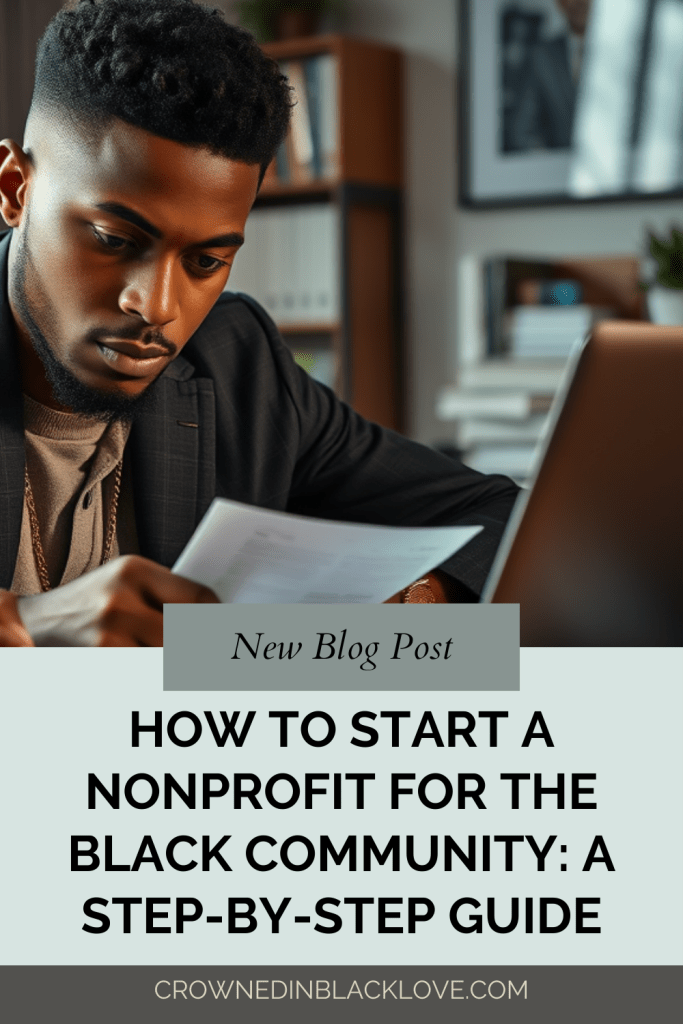
How to Start a Nonprofit for the Black Community: A Step-by-Step Guide

Nonprofits are powerful tools for change. They serve communities, raise awareness about important causes, and work to create a more just and equitable society. If you’re passionate about uplifting the Black community, starting a nonprofit can be one of the most impactful ways to bring about the changes you want to see.

Whether you want to focus on educational programs, health disparities, or social justice issues, a nonprofit dedicated to supporting the Black community can make a significant difference. The road to starting a nonprofit is a journey that requires careful planning, resources, and dedication, but with the right knowledge and preparation, you can turn your vision into reality.

1. Identify Your Mission and Focus

The first step in starting any nonprofit is to clearly define your mission. Your mission is the heart of your organization, guiding your actions and decisions. It’s important to ask yourself: What problem am I trying to solve for the Black community? What impact do I want to have?

  • Define your cause: Your nonprofit should have a clear cause. Are you addressing issues like education, mental health, housing, economic empowerment, or social justice? Identify a specific need or gap within the community.
  • Create a mission statement: Your mission statement should be concise and specific, outlining what your nonprofit aims to do and who it serves. A strong mission statement can inspire others to get involved and support your cause.

2. Conduct Research and Understand the Community’s Needs

Before you dive in, it’s important to research the issue you want to tackle. Understand the challenges, and determine how best to address them. This will also help you identify any existing organizations in your area and how your nonprofit can complement or work alongside them.

  • Talk to community members: Speak to people who are affected by the issue or who are actively working to address it. Gather feedback, listen to their stories, and learn what they need most.
  • Analyze the data: Use local statistics, studies, and reports to understand the scope of the problem and its root causes.
  • Check for gaps: Ensure that your nonprofit’s focus is unique and fills a gap. If there are already organizations tackling the issue, determine how your nonprofit can add value or take a different approach.

3. Create a Business Plan for Your Nonprofit

Like any business, a nonprofit needs a plan. A business plan will help you outline your goals, strategies, and the resources needed to achieve your mission.

  • Executive summary: Describe your nonprofit, its mission, and its goals.
  • Programs and services: List the services or programs you plan to offer. Will you provide educational workshops? Legal aid? Financial literacy resources? Be specific about what you want to achieve.
  • Funding strategies: How will you fund your nonprofit? Will you seek donations, grants, or fundraising events? Outline your funding needs and sources.
  • Target audience: Identify the group or community your nonprofit will serve. Be clear about how your efforts will benefit the Black community, whether locally or nationally.
  • Marketing and outreach: How will you spread the word about your nonprofit? Will you use social media, partnerships, or public relations? Plan how you’ll reach your audience and build support.

4. Register Your Nonprofit and Obtain Legal Status

In order for your nonprofit to be recognized, you need to legally register it and obtain the necessary status. Here’s what you need to do:

  • Choose a name: Pick a name for your nonprofit that reflects your mission and resonates with the community.
  • Form your board of directors: Most states require you to have a board of directors. Choose individuals who are passionate about the cause and who have skills to help the organization succeed.
  • Incorporate your nonprofit: Register your nonprofit with your state by filing articles of incorporation. This will make your nonprofit an official entity and protect you legally.
  • Obtain an EIN: An Employer Identification Number (EIN) from the IRS is required for tax purposes. This is like a social security number for your nonprofit.
  • Apply for 501(c)(3) status: To make your nonprofit eligible for tax-deductible donations and grants, you’ll need to apply for 501(c)(3) tax-exempt status from the IRS.

5. Fundraising and Building Support

A nonprofit can’t survive without funds, so fundraising is an essential part of the process. This step involves raising awareness about your mission and securing the financial support needed to run your programs.

  • Apply for grants: Look for grants from government agencies, foundations, and organizations that support causes related to the Black community. Many organizations prioritize funding projects that benefit underrepresented groups.
  • Fundraising events: Host events such as charity dinners, auctions, or community festivals to raise funds and spread the word about your cause.
  • Crowdfunding: Use online platforms like GoFundMe, Kickstarter, or Patreon to raise money from your community and supporters.
  • Individual donations: Seek donations from individuals who believe in your mission. Consider setting up a recurring donation program to create a sustainable source of funding.
  • Corporate partnerships: Reach out to businesses that may be willing to sponsor your programs or make corporate donations to support your cause.

6. Recruit Volunteers and Build a Team

A nonprofit organization is only as strong as the people who support it. While paid staff is important, volunteers can play a huge role in your success, especially in the early stages.

  • Find volunteers: Reach out to people passionate about your cause. They can help with events, fundraising, outreach, and much more.
  • Engage your community: Keep your supporters engaged through newsletters, events, or social media. You want people to feel like they’re part of the movement.
  • Develop partnerships: Collaborate with other nonprofits, local businesses, schools, and churches to create a network of support. Working together will amplify your impact.

7. Create a Strong Online Presence and Awareness

Today, social media is a key tool for reaching a wider audience and spreading awareness about your cause. A strong online presence helps you connect with potential donors, volunteers, and community members.

  • Social media platforms: Use Facebook, Instagram, Twitter, BlueSky, and TikTok to share your mission, promote events, and raise awareness.
  • Create a website: A professional website is essential for communicating your mission, sharing success stories, and providing an easy way for people to donate.
  • Content creation: Share testimonials, photos, videos, and updates about your programs. Content that resonates with your audience will help keep them engaged and invested in your work.

8. Measure Your Impact and Adapt

Once your nonprofit is up and running, it’s important to track your progress and measure the impact you’re making. This helps you understand what’s working, what isn’t, and how you can improve.

  • Set goals: Define clear, measurable goals for your nonprofit’s success. This could include the number of people served, funds raised, or partnerships formed.
  • Evaluate programs: Regularly assess your programs and services to see if they’re meeting the community’s needs.
  • Seek feedback: Talk to community members, volunteers, and other stakeholders to gather feedback and adjust your approach accordingly.

Conclusion: Empowering the Black Community Through Service

Starting a nonprofit is one of the most meaningful ways to support and uplift the Black community. It allows you to address pressing issues, celebrate culture, and create lasting change. By following these steps, you can build an organization that not only makes an impact but also inspires others to get involved and make a difference.

Want to make a lasting impact in the Black community? Here’s a step-by-step guide on how to start your own nonprofit and create real change. Your mission starts today! #BlackCommunity #Nonprofit #Empowerment