

When we talk about family, love, and community, we often think of parents working together to create a safe and supportive home for their children. But one of the most important aspects of a child’s life is the relationship between their parents—especially when that relationship is built on love, trust, and respect. A loving Black marriage doesn’t just benefit the couple; it creates a stable foundation that helps children grow, thrive, and develop confidence.
In this blog, we will explore the profound impact that a loving Black marriage can have on children, and how strong partnerships between Black parents can shape the future for the next generation.
The Foundation of Emotional Security:
Children thrive in environments where they feel loved, safe, and supported. When parents share a healthy and loving relationship, they create a sense of emotional security for their children. This emotional foundation is essential for a child’s growth and development. According to research by the American Psychological Association, children who grow up in homes where there is mutual love and respect between parents tend to develop better social and emotional skills, higher self-esteem, and healthier relationships as they grow older.
In a loving Black marriage, children see firsthand how love, patience, and communication can solve problems and strengthen bonds. They witness their parents navigating life’s challenges with respect and unity, teaching them valuable lessons about resilience and emotional intelligence. For Black children, especially, having this positive model of a loving relationship is critical in shaping their sense of self-worth and understanding their place in the world.

Teaching Respect and Healthy Relationships:
One of the most powerful lessons children learn from a loving marriage is how to respect others and build healthy relationships. In a Black marriage rooted in love and mutual respect, children see how partners collaborate, compromise, and show affection in a way that fosters trust and harmony.
For Black boys, a loving marriage sets an example of how to treat women with respect and equality. For Black girls, it shows them what a healthy relationship should look like, teaching them to value themselves and set boundaries in their own future relationships.
The effects of this positive role modeling are significant. Children who grow up in a home where love and respect are central to the marriage are more likely to form their own healthy relationships as adults. They learn that love is not just about affection, but about understanding, communication, and support—values that will serve them throughout their lives.
Building Confidence and Identity:
A loving Black marriage provides children with a clear sense of identity. In a world where Black children often face challenges due to racial bias, having two strong, loving Black parents can boost their confidence and self-esteem. These children grow up feeling grounded in their culture, proud of who they are, and secure in their worth.
For Black boys, seeing their father and mother in a loving, supportive relationship reinforces the idea that Black love is powerful and enduring. For Black girls, a strong marriage between their parents models what it means to love themselves and be loved in return. When children see their parents love each other in a positive, nurturing way, they understand that they, too, deserve love, respect, and kindness.
Creating a Stable Environment for Success:
A stable home environment is key to a child’s academic success, emotional well-being, and overall growth. Studies show that children who grow up in homes where their parents have a strong relationship are more likely to excel in school, have positive social interactions, and avoid risky behaviors. A loving Black marriage contributes to creating a consistent, reliable atmosphere that promotes these successes.
When children see their parents working together to provide for the family and support one another, they develop a sense of responsibility and discipline. They learn the importance of teamwork and commitment, which are crucial skills for their future endeavors. The love and stability that comes from a Black marriage create a sense of security that allows children to focus on their education, explore their interests, and grow into confident individuals.

The Power of Positive Black Role Models:
In many cases, the foundation of a Black marriage goes beyond the couple. It involves the extended family and the broader community, creating a network of love and support for the children. Grandparents, aunts, uncles, and close friends all play a role in reinforcing the lessons of love and unity that children learn at home.
When children see positive Black role models in their parents and their community, they feel empowered to follow in their footsteps. The legacy of strong Black marriages and families can have a ripple effect, encouraging future generations to value love, respect, and unity as they build their own families and communities.
In Conclusion:
A loving Black marriage is more than just the bond between two people—it’s a powerful force that shapes the lives of children and builds a foundation for their future. By providing emotional security, teaching respect, and boosting confidence, Black parents help their children grow into strong, independent, and emotionally healthy individuals. In a world that sometimes tries to tear down the Black family, a loving marriage remains a beacon of strength, unity, and hope. Let’s continue to celebrate and nurture these powerful relationships, knowing that the love between Black parents has the power to change lives, shape futures, and strengthen communities.


A loving Black marriage creates a foundation of love, respect, and strength for children. It shapes their future by teaching them confidence, healthy relationships, and pride. #BlackMarriage #FamilyStrength #Parenting #Love


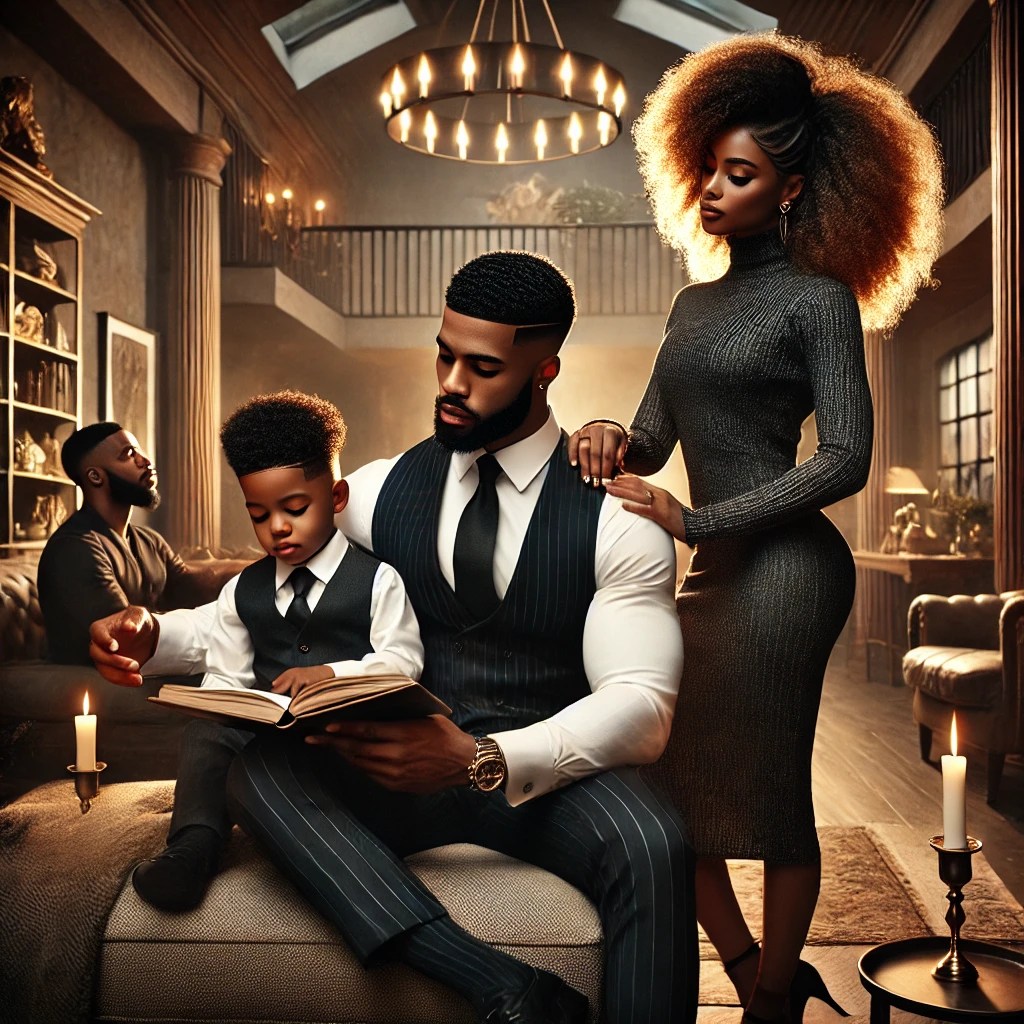


 Crowned in Black Love