
Creating a Supportive Environment: Nurturing Confidence in Black Children

Hey, amazing parents! We all want our children to grow up confident, strong, and proud of who they are. But confidence doesn’t develop in isolation—it thrives in a supportive environment where children feel safe to express themselves, be celebrated, and pursue their dreams. For Black children, it’s especially important to be surrounded by people and communities that uplift and reinforce their identity. Let’s explore how creating a supportive environment can help your child develop the confidence they need to excel and shine in every area of life.


1. Surrounding Your Child with Uplifting People

Confidence grows when children feel encouraged and supported by the people around them. Whether it’s family members, friends, mentors, or community leaders, having people who believe in them and celebrate their uniqueness can have a profound impact on their self-esteem.

Example:
Imagine your child comes home excited about an art project they completed at school. When they share it with family, you might say, “Wow, this is amazing! You’ve worked so hard, and it shows. You’re such a talented artist!” This positive reinforcement will help your child believe in their abilities and develop the confidence to keep exploring their passions.

Ways to Help:

  • Regularly compliment your child on their efforts, not just their results. Encourage them to take pride in their hard work and perseverance.
  • Build a network of positive role models—whether it’s a mentor, an extended family member, or a community leader—who can show your child what success looks like while embracing their unique Black identity.

2. Celebrating Uniqueness and Black Identity

Confidence flourishes when children are proud of who they are. It’s essential that Black children see their culture, history, and identity reflected in the world around them. This affirmation allows them to stand tall in their own skin, knowing they are worthy of success and respect, just as they are.

Example:
Take your child to cultural events, museums, or historical sites that celebrate Black excellence and heritage. When they learn about trailblazers like Maya Angelou, Martin Luther King Jr., or contemporary leaders in their community, they will understand that they, too, can make a difference.

Ways to Help:

  • Fill your home with books, art, and media that celebrate Black culture and history. This creates an environment where your child can see themselves reflected in the stories they hear and the images they see.
  • Attend events that celebrate Black culture—whether it’s a local festival, concert, or community gathering. These experiences will help your child connect with others who share their heritage and build pride in their identity.

3. Building a Strong Community of Support

A supportive environment isn’t just about what happens in the home—it’s about the community around your child. Surrounding them with people who understand, appreciate, and support their journey can make a world of difference. A strong community provides a sense of belonging and helps reinforce the values you’re instilling at home.

Example:
Imagine your child participates in a local youth group or sports team where they see other kids who look like them excelling. They start to believe, “If they can do it, so can I!” This sense of solidarity with others is a powerful motivator and a big confidence booster.

Ways to Help:

  • Join or create support groups for Black families in your area. Building relationships with other families who share similar values creates a network of support where your child can thrive.
  • Get involved in your community. Volunteer, attend church or community events, and engage in organizations that celebrate Black culture. This builds connections that reinforce your child’s sense of belonging and worth.

4. Encouraging Dreams and Aspirations

A supportive environment is one that encourages children to dream big and aim high. Help your child set goals, explore their interests, and reach for the stars. When children are surrounded by people who believe in their dreams, they’re more likely to have the confidence to pursue them.

Example:
If your child expresses an interest in becoming a scientist, doctor, or entrepreneur, encourage them by saying, “I believe in you, and I know you can achieve this. There are so many amazing Black scientists and innovators, and you can be one of them too!”

Ways to Help:

  • Expose your child to different career paths and success stories within the Black community. Show them that no dream is too big by introducing them to people who are excelling in fields they are passionate about.
  • Create an environment where your child feels safe to try new things, whether it’s taking up a new hobby or exploring a career path. Let them know that it’s okay to fail and that each mistake is a learning opportunity.

5. Creating Spaces for Positive Peer Influence

It’s important for your child to interact with peers who encourage and support them. Building relationships with like-minded individuals who share their values and appreciate their uniqueness can provide a healthy foundation for self-esteem and confidence.

Example:
Invite friends and families over for social gatherings that celebrate Black culture. Whether it’s a family BBQ or a book club, these spaces allow your child to build friendships with others who understand their journey and encourage them to be their best selves.

Ways to Help:

  • Foster friendships with children who share similar values and cultural experiences. Create opportunities for your child to interact with peers who uplift and inspire each other.
  • Look for extracurricular activities—like cultural clubs, sports teams, or arts programs—where your child can connect with others who celebrate their identity and support their personal growth.

Pro Tip: Foster Relationships with Like-Minded Families

Creating a community that values Black culture and identity is a powerful way to build your child’s confidence. Seek out other families, schools, and organizations that uplift Black children and encourage them to be proud of their heritage. By surrounding your child with individuals who share similar values, you’re giving them the gift of belonging and support.


Closing Thoughts:

Confidence thrives in environments that support, nurture, and uplift our children. When we surround our Black children with people who celebrate their uniqueness, encourage their dreams, and reinforce the value of their identity, we’re laying the foundation for them to become confident, resilient leaders. Let’s continue to create spaces that reflect the greatness of our culture, and in doing so, we’ll raise a generation that’s not only confident in who they are but also unshakable in their pursuit of greatness.
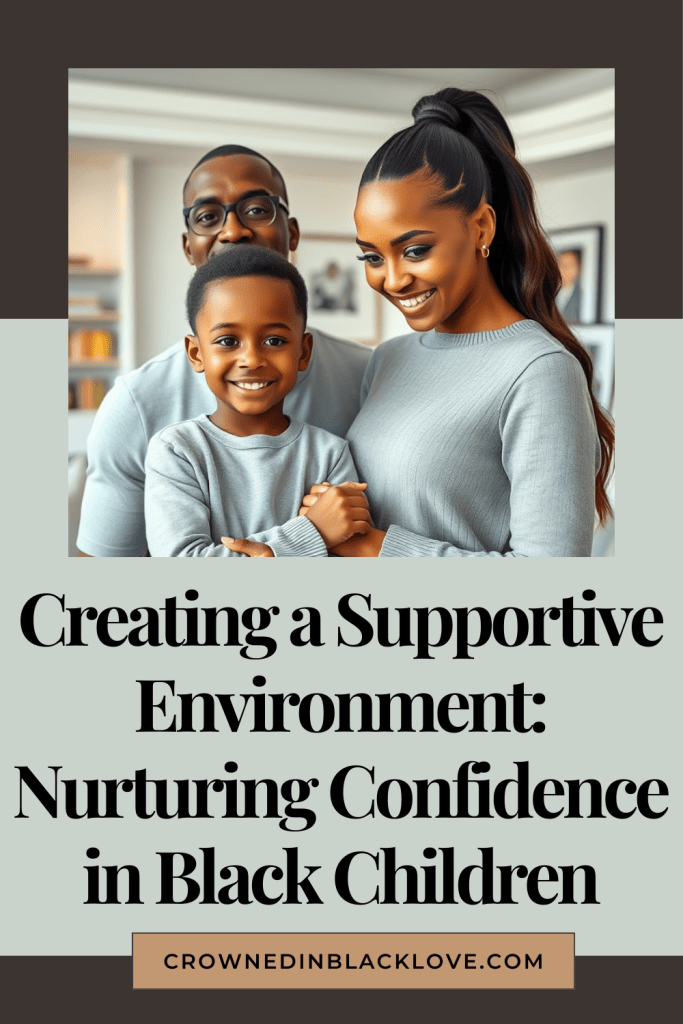
Confidence grows when Black children are surrounded by supportive people and communities. Learn how to create an environment that celebrates their identity and encourages them to dream big. #BlackParenting #Confidence #BlackExcellence


Movie Review: War Room – A Powerful Lesson in Faith, Family, and Prayer for the Black Community

Hey, family! If you haven’t seen War Room yet, you’re missing out. This movie is more than just a feel-good story—it’s a powerful reminder of the strength we have as Black people and the importance of love, faith, and family. Watching this movie made me reflect on how much we rely on each other, how prayer can change lives, and how we can use the lessons of the film to build stronger families and communities. Let me tell you why this movie is perfect for us.

War Room (2015), directed by Alex and Stephen Kendrick, is a Christian drama that has garnered widespread acclaim for its portrayal of faith, marriage, and the transformative power of prayer. While the film appeals to a broad audience, its message is especially impactful for the Black community. With strong performances from lead actors Priscilla Shirer and T.C. Stallings, War Room offers not just an engaging story, but a profound lesson in building stronger families, supporting one another, and relying on faith during challenging times.

A Story of Redemption and Transformation

At its core, War Room focuses on the struggles and triumphs of a married couple, Elizabeth and Tony Jordan. Their relationship is on the brink of collapse due to financial struggles, infidelity, and a lack of communication. However, the turning point comes when Elizabeth meets Miss Clara, an older, wise woman who introduces her to the concept of a “war room” – a private, sacred space where prayer becomes the weapon to fight for her marriage, her family, and her peace of mind.

For the Black community, the movie highlights an essential aspect of life: the importance of building and maintaining strong relationships and family bonds. With many Black families facing systemic challenges, financial hardships, and societal pressures, War Room serves as a reminder that despite external circumstances, the foundation of love and faith can help families persevere through adversity.

Why War Room is Great for the Black Community

  1. Emphasis on Faith as a Source of Strength

For many in the Black community, faith has historically been a cornerstone of resilience. From the Civil Rights Movement to today, prayer and belief in God have provided strength in times of hardship. War Room showcases the power of prayer, not as a passive act, but as an active form of warfare. Miss Clara’s teachings to Elizabeth, emphasizing that prayer is a direct way to engage with the challenges we face, can resonate deeply within the Black community, where spirituality often plays an integral role in day-to-day life.

  1. Marriage and Family as Central Pillars

In the face of external pressures, War Room underscores the importance of fighting for the stability and strength of the family unit. The portrayal of a Black marriage going through difficult times speaks to the broader realities many Black couples face. The movie emphasizes the necessity of communication, trust, and mutual respect, while also advocating for the power of prayer as a unifying force. By focusing on family, War Room teaches that the strength of the Black community starts in the home – through nurturing healthy relationships, guiding children with love, and standing firm in faith.

  1. Mentorship and Support Among Black Women

Miss Clara, the elderly Black woman who mentors Elizabeth, is a powerful figure in the film. She represents wisdom, strength, and the nurturing spirit of older generations in the Black community. Her willingness to guide Elizabeth and share her own struggles provides a beautiful example of mentorship and intergenerational support. Black women, often at the heart of family dynamics, are shown here as a source of not only strength but wisdom, reminding viewers of the importance of women supporting each other through shared faith and experiences.

  1. Dealing with Struggles in a Positive Light

The struggles depicted in War Room – financial stress, infidelity, and miscommunication – are issues many Black families can relate to. However, the movie offers a hopeful and constructive approach to dealing with these challenges. Instead of perpetuating negative stereotypes or hopelessness, it emphasizes solutions grounded in faith, accountability, and action. The movie reinforces that challenges don’t have to lead to separation or destruction; they can lead to healing and transformation through faith and prayer.

Lessons Learned from War Room

  1. Prayer Is Powerful – Use It to Strengthen Relationships

One of the most significant takeaways from War Room is the importance of prayer as an active tool for transformation. The “war room” is more than a physical space – it is a mindset. By carving out time to pray intentionally for the people and situations that matter most, individuals can experience personal growth, peace, and resolution. This lesson encourages the Black community to prioritize faith, whether it’s through individual prayer or shared spiritual practices with family members.

  1. Communication Is Key in Marriage and Family Life

The breakdown of communication is a central theme in War Room, with Elizabeth and Tony’s marriage on the brink of collapse due to their inability to effectively communicate. The film teaches that open, honest, and empathetic communication is essential for healthy relationships. This lesson is particularly vital in the Black community, where generational trauma and societal stressors can sometimes create barriers to effective communication. By fostering honest conversations, couples and families can heal and grow stronger together.

  1. The Power of Forgiveness and Second Chances

Throughout War Room, we see the importance of forgiveness, particularly when it comes to healing relationships. The characters must confront their mistakes, ask for forgiveness, and give second chances. This lesson is crucial in the Black community, where forgiveness can often be a path to healing both personal and collective wounds.

  1. Mentorship and Support from Elders

The relationship between Miss Clara and Elizabeth showcases the beauty of mentorship and how wisdom from older generations can help guide younger ones. In the Black community, where strong communal ties are often a source of support, the value of mentorship cannot be overstated. War Room reminds us that the guidance and wisdom passed down from elders can be transformative, particularly in times of hardship.

How War Room Can Help the Black Community Today

In a world where Black families face unique challenges – from systemic injustice to economic disparities – War Room provides a hopeful reminder of the strength that lies within the family and community. The film encourages the Black community to:

  • Rely on Faith: Trust in God and the power of prayer to overcome life’s struggles.
  • Communicate and Build Relationships: Strengthen marriages, families, and communities by prioritizing communication and mutual support.
  • Value Mentorship: Older generations have a wealth of wisdom to share; seeking and offering mentorship can create a stronger, more unified community.
  • Practice Forgiveness: Let go of past hurts and work toward healing for personal and relational growth.

Conclusion

In the end, War Room isn’t just a movie—it’s a guide to living better, loving better, and fighting for the things that matter most. It reminds us of the strength we have as Black people when we come together in faith and love. If you haven’t seen it yet, I promise it’ll change your perspective on what it means to fight for your family and your future. Let’s take these lessons to heart and use them to strengthen our community.

Looking for a movie that’ll inspire and uplift? War Room is a must-see for the Black community! It’s all about love, faith, and fighting for your family. Read why this movie is so powerful for us today. #BlackLove #Family #Faith #WarRoom

M.A.R.R.I.A.G.E.: The Blueprint for Stronger Black Marriages

Marriage in the Black community holds so much significance—it’s about love, family, and building a future together. But what truly makes a marriage strong? It’s not just about saying “I do”; it’s about nurturing and embodying qualities that keep the relationship healthy and lasting. When I came across the M.A.R.R.I.A.G.E. acronym, it hit me that this is the perfect blueprint for Black marriages, focusing on key principles that can help us grow and thrive together. Let’s dive into why M.A.R.R.I.A.G.E. is not just a word, but a mindset that can strengthen any marriage.

M – Mutual Respect: The Heart of Every Strong Union

Respect is the foundation of any relationship, but in marriage, it becomes even more critical. Mutual respect means valuing each other’s opinions, dreams, and needs. In the Black community, where we are often fighting against external forces, it’s crucial to have a safe space within our marriages where we are seen, heard, and loved for who we truly are. Mutual respect means building each other up, not tearing each other down.

A – Accountability: Owning Up to Our Actions

Accountability isn’t always easy, but it’s essential in a marriage. It means owning up to our mistakes, being honest about our shortcomings, and taking responsibility for our actions. In the Black community, where we are often expected to be strong in the face of adversity, it’s important to have a partner who holds us accountable, lovingly and constructively. This allows both partners to grow and evolve.

R – Respect: The Cornerstone of Partnership

While respect is highlighted earlier, this one emphasizes respect as a core value that supports all other aspects of marriage. It’s about honoring each other’s individuality while working together as a team. Respect in marriage is about acknowledging that both partners bring something valuable to the table. This mutual admiration leads to stronger, more supportive unions.

R – Responsibility: Upholding Your Role

Marriage is a partnership, and with that partnership comes responsibility. Whether it’s sharing duties, taking care of the home, or supporting each other’s dreams, both partners need to step up and do their part. Responsibility in a marriage means doing your best to fulfill your role, without expecting the other to pick up the slack. In the Black community, where we know the importance of family and community, responsibility means showing up for each other every day.

I – Integrity: Doing the Right Thing, Even When No One Is Watching

Integrity in marriage means being honest, transparent, and trustworthy. It’s about doing what you say you’re going to do, whether it’s about your word or your actions. Integrity builds the trust that is essential to the success of a marriage. In a world where trust can sometimes be hard to find, it’s important to have a partner who stands by their values and keeps the marriage sacred.

A – Affection: Showing Love and Appreciation

Affection is essential to keep the spark alive in any marriage. It’s the hugs, the kisses, the “I love yous,” and the gestures that make us feel appreciated. In the Black community, affection can sometimes be overlooked as we deal with external stressors, but it’s important to remember that showing love is an essential part of keeping the relationship healthy and connected. Affection strengthens the bond and reminds both partners why they fell in love in the first place.

G – Growth: Evolving Together

A marriage that stays stagnant will eventually wither. Growth means embracing change, learning together, and supporting each other’s personal and professional journeys. It’s about encouraging your partner to become the best version of themselves, just as they do for you. Growth in marriage means you are not the same person you were when you first met, but you have evolved together—stronger and more united.

E – Equality: A Relationship of Balance

Equality in marriage means both partners have an equal say, equal power, and equal respect. It’s about sharing responsibilities, dreams, and challenges in a balanced way. Equality fosters a partnership where both people feel valued and appreciated. In the Black community, where we often face systemic inequalities, fostering equality in our marriages is essential for mutual growth and love.

In Conclusion:

Marriage is a beautiful, challenging, and rewarding journey. The M.A.R.R.I.A.G.E. acronym offers a clear roadmap for how we can strengthen our relationships and build something that lasts. From mutual respect to accountability, integrity to affection, these qualities are the glue that holds marriages together. For the Black community, nurturing these principles can help us create powerful, thriving partnerships that stand the test of time.

So, whether you’re newly married or been together for years, take a moment to reflect on how you can bring these qualities into your relationship. A marriage based on M.A.R.R.I.A.G.E. isn’t just about surviving—it’s about thriving together, hand in hand.

Want a stronger marriage? Learn how the M.A.R.R.I.A.G.E. acronym—Mutual Respect, Accountability, Responsibility, Integrity, Affection, Growth, and Equality—can help create lasting love in Black marriages. 💍 #BlackLove #MarriageGoals #RelationshipAdvice

The Power of W.I.F.E.: A Love Letter to Black Partnerships

As a Black woman, I’ve always been taught that love isn’t just about romance—it’s about support, strength, and building something that lasts. When I first came across the acronym W.I.F.E. (Wisdom, Integrity, Faith, Empathy), I realized how much it resonates with our experience in the Black community. Our partnerships are built on more than just love; they are rooted in the deep qualities that uplift and protect us. In this post, I want to break down why this acronym is so powerful and how it speaks to our need for unity, trust, and understanding in our relationships.

W – Wisdom: The Guide for Strong Relationships

In the Black community, wisdom is passed down through generations, whether it’s advice from our elders or lessons learned the hard way. Wisdom isn’t just about knowing the right things to say—it’s about knowing when to speak and when to listen. For a wife, wisdom means making decisions that nurture the relationship, showing love and respect while balancing life’s challenges. Wisdom helps us handle conflicts without tearing down the relationship but instead building it up even stronger.

I – Integrity: The Foundation of Trust

Trust is everything. And integrity is what keeps that trust solid. When you know someone has integrity, you don’t have to question their actions or intentions. You can rest easy knowing they’ll do what they say they’ll do, even when things get tough. For Black families, integrity is crucial. In a world that already challenges us, the strength of integrity in our relationships is a shield that keeps us grounded and protected.

F – Faith: The Anchor Through It All

Faith is more than just a belief in each other—it’s a belief in us. Having faith in your partner means believing in their dreams and supporting them through all the ups and downs. In the Black community, we know what it’s like to struggle, but faith gives us the power to keep going. When a wife has faith in her partnership, it becomes a source of strength to keep building, keep striving, and keep loving.

E – Empathy: Understanding Each Other’s Journey

Empathy is everything. In our relationships, it’s not just about supporting our partner when things are easy, but also when things are hard. Being empathetic means you’re able to walk in their shoes, to understand where they’re coming from, and to offer love without judgment. Empathy is especially important in Black relationships, where the world may already ask us to carry burdens others don’t see. When a wife shows empathy, it gives both partners the emotional space to grow together, knowing they have a safe place to be vulnerable.

Conclusion:

This acronym, W.I.F.E., isn’t just a list of words—it’s a guide to how we can build stronger, more loving partnerships in the Black community. It’s about embodying wisdom, integrity, faith, and empathy in everything we do. These qualities help us support each other, especially during tough times, and create a foundation where love can thrive.

When we embrace these values in our relationships, we build something beautiful—something that can stand the test of time. Whether you’re a wife, a partner, or someone just starting to understand what healthy love looks like, these four words can serve as a powerful reminder of how to nurture the love in our lives. So, take a moment today to reflect on how you can bring more wisdom, integrity, faith, and empathy into your relationships. Together, we can build a future full of stronger, healthier connections.

Want to strengthen your relationship? Learn how the W.I.F.E. acronym—Wisdom, Integrity, Faith, Empathy—can help nurture Black partnerships and create lasting love. 💖 Check out my latest post to dive deeper into this powerful message! #BlackLove #RelationshipGoals

How to Prepare Your Children for Future Success in the Black Community

As parents and caregivers, one of the most important roles we have is preparing our children for success. This preparation isn’t just about academic achievement—it’s about equipping them with the confidence, resilience, and sense of identity they need to navigate the world and contribute meaningfully to their communities. For children in the Black community, this process includes teaching them to embrace their cultural heritage, advocating for their future, and empowering them to succeed, no matter the challenges they may face.

In this guide, we’ll explore ways to help your children succeed within the Black community by focusing on cultural pride, educational empowerment, emotional well-being, and fostering a strong sense of community. Let’s dive into practical steps you can take to set your children up for success in the future.

1. Instill Cultural Pride and Identity

A strong sense of cultural pride is essential for children to feel grounded in their identity. When your children are proud of who they are and where they come from, they are more likely to have the confidence to navigate challenges and celebrate their successes.

  • Teach Black history: Make sure your children learn about the rich history, accomplishments, and struggles of Black individuals in the U.S. and around the world. From influential historical figures like Martin Luther King Jr., Rosa Parks, and Harriet Tubman to modern-day heroes, understanding their heritage builds a sense of pride and purpose.
  • Celebrate Black culture: Expose your children to various aspects of Black culture, including art, music, literature, food, and traditions. This not only deepens their cultural knowledge but also strengthens their connection to their community.
  • Role models and mentors: Surround your children with positive Black role models—whether they are family members, community leaders, or public figures. Representation is key to showing children that they too can achieve great things.

2. Focus on Education and Lifelong Learning

Education is one of the most powerful tools for success. Encouraging your children to excel in school and become lifelong learners is a key part of preparing them for the future.

  • Emphasize the importance of school: Help your children understand that education is the foundation for their future success. Show them how the knowledge and skills they gain today will serve them in achieving their goals tomorrow.
  • Support their academic interests: Take an active interest in their schooling. Help with homework, attend parent-teacher conferences, and ensure they have the resources they need to thrive academically. If your child shows interest in a particular subject or career, encourage them to explore it further.
  • Promote critical thinking: Encourage your children to think critically about the world around them. Teach them how to ask questions, analyze information, and form their own opinions. These skills will help them navigate life’s challenges with clarity and confidence.
  • Access to resources: Make sure your child has access to resources like tutors, extracurricular activities, and educational tools that can enhance their learning experience.

3. Teach Financial Literacy and Responsibility

Financial independence is a crucial component of success, and teaching your children about money management from a young age can set them up for a successful future.

  • Basic financial concepts: Teach your children the basics of managing money, such as budgeting, saving, and the importance of credit. Start with simple concepts like earning an allowance and working toward saving for a goal, and gradually introduce more complex ideas like investments and building wealth.
  • Entrepreneurial mindset: The Black community has a long tradition of entrepreneurship. Encourage your children to explore their own business ideas, develop skills, and learn about the importance of self-sufficiency.
  • Be a financial role model: Lead by example. Show your children how to manage money wisely and demonstrate the value of financial responsibility.

4. Encourage Emotional Well-being and Resilience

To succeed in life, children need emotional resilience and the ability to handle challenges with grace. Teaching them how to process their emotions, bounce back from setbacks, and maintain a positive outlook is vital.

  • Teach emotional intelligence: Help your children identify their emotions and learn how to express them in healthy ways. Encourage open conversations about feelings and how to cope with stress, disappointment, or frustration.
  • Build resilience: Life will present obstacles, and teaching your children how to persevere through difficulties is one of the most important lessons you can offer. Share stories of Black individuals who have overcome adversity, and encourage your children to face challenges with determination.
  • Self-care: Show your children the importance of taking care of their mental and emotional health. Teach them how to practice self-care, whether it’s through journaling, exercising, talking to someone they trust, or engaging in hobbies they enjoy.

5. Foster Community Involvement and Social Responsibility

Success isn’t just about individual achievement—it’s also about how we contribute to our communities. Teaching your children the value of giving back and being engaged in their community helps them build strong connections and create positive change.

  • Volunteer and give back: Encourage your children to get involved in community service. Volunteering teaches empathy, responsibility, and the importance of helping others. It can also provide opportunities for leadership development and networking.
  • Support local businesses: Teach your children the importance of supporting Black-owned businesses and local entrepreneurs. This fosters a sense of solidarity and strengthens the community’s economic growth.
  • Civic engagement: Teach your children about the importance of civic engagement—whether it’s voting, advocating for causes they believe in, or getting involved in local organizations that uplift the Black community.

6. Teach Leadership and Empowerment

Encouraging leadership skills can help your child build confidence and become an empowered individual who leads by example. Leadership isn’t just about taking charge—it’s also about supporting others, being compassionate, and standing up for what is right.

  • Model leadership: Be a positive role model by demonstrating leadership qualities in your own life. Show your children how to take initiative, make decisions, and lead with empathy and integrity.
  • Empowerment through choice: Allow your children to make decisions and take responsibility for their choices. This helps them feel empowered and in control of their future.
  • Develop their voice: Encourage your children to speak up for themselves and others. Help them understand the importance of using their voice for positive change, whether it’s in school, at home, or in the community.

7. Prepare for the Challenges They May Face

While preparing your children for success is essential, it’s equally important to prepare them for the challenges they may encounter, particularly as they navigate life in the Black community.

  • Talk about systemic issues: Have open discussions about racism, discrimination, and the history of inequality in America. Teach your children how to handle such challenges with confidence and strength while also equipping them with the knowledge of their rights.
  • Equip them with coping strategies: Help your children develop strategies for coping with negative experiences, whether it’s dealing with discrimination or overcoming obstacles in school. Resilience and a strong support system will help them thrive despite these challenges.

Conclusion: Empowering Your Children for Success

By providing your children with a strong foundation of cultural pride, education, financial literacy, emotional resilience, and community engagement, you are empowering them to achieve success both within the Black community and beyond.

As they grow, the lessons you instill today will help them face challenges with confidence, pursue their dreams with determination, and make meaningful contributions to the world around them. By preparing them for success in the Black community, you are helping to shape a future of empowered, resilient, and successful young leaders.

Preparing your children for future success starts with fostering confidence, teaching cultural pride, and providing the right resources. In this guide, we share strategies to empower your children to thrive in the Black community and beyond.

Want to set your children up for future success? Here’s how to prepare them for success in the Black community with cultural pride, education, financial literacy, and more. #BlackCommunity #Parenting #Empowerment