Book Review: Black Marxism: The Making of the Black Radical Tradition by Cedric J. Robinson

A Deep Dive into Black Radical Thought and Resistance

In Black Marxism: The Making of the Black Radical Tradition, Cedric J. Robinson challenges us to rethink how we understand Black resistance movements and their relationship to Marxist theory. This seminal work dives deep into the historical and ideological development of Black radicalism, showing how it has always been both a response to class struggle and, more fundamentally, a rejection of the oppressive structures of white supremacy. Robinson’s book provides a powerful critique of traditional Marxist thought while shedding light on the specific experiences and contributions of Black radical activists throughout history. For the Black community, this book offers both a history lesson and a critical framework for understanding modern struggles for justice.

Why Black Marxism is Essential for the Black Community:

In his analysis, Robinson argues that Black radicalism cannot be fully understood through the lens of traditional Marxism alone. While Marxist theory is often used to explain class struggle, Robinson asserts that it fails to address the unique ways in which Black people have resisted white supremacy, colonialism, and racial oppression. This is crucial for the Black community, as it pushes us to recognize that the fight for justice is not solely about class—it’s about dismantling racial hierarchies that have existed for centuries. By understanding how Black radicalism intersects with Marxist theory, we can better strategize our activism and push for structural change in a way that truly addresses the root causes of racial and economic inequality.

Key Lessons from Black Marxism for the Black Community:

  1. Black Radicalism is a Response to White Supremacy: Robinson makes a compelling argument that Black radical thought cannot be understood in isolation from the realities of white supremacy. Unlike traditional Marxism, which focuses primarily on class struggle, Black radicalism is also about resisting a racialized social order that has systematically marginalized Black people. For the Black community, this insight is essential because it highlights that the fight for equality is both a racial and class issue. This intersection of race and class must inform how we approach activism today.
  2. Challenging Traditional Marxist Thought: One of the most important contributions of Robinson’s work is his critique of classical Marxism. He argues that traditional Marxist thought, with its focus on class struggle, cannot fully explain the ways in which Black people have fought for justice. By focusing on the intersection of race and class, Robinson invites the Black community to rethink how we engage with mainstream political ideologies and encourages us to develop a more nuanced understanding of our struggle for liberation.
  3. Historical Roots of Black Radical Thought: Robinson delves into the history of Black resistance, highlighting key figures and movements that have shaped the Black radical tradition. From the Haitian Revolution to the work of figures like Marcus Garvey and the Black Panther Party, this book emphasizes the importance of recognizing and celebrating the long history of Black activism. For the Black community, this historical context provides both inspiration and guidance for contemporary efforts to combat racial injustice.
  4. The Importance of Black Intellectual Thought: Robinson’s exploration of Black Marxism shows how intellectuals like Du Bois, C.L.R. James, and Frantz Fanon contributed to the development of Black radical thought. This history of intellectual resistance reminds the Black community that activism is not just about protests in the streets—it’s also about the power of ideas. By embracing Black intellectual traditions and contributing our own voices to the conversation, we can continue to shape the future of resistance movements.
  5. The Relationship Between Capitalism and Racism: Robinson argues that capitalism and white supremacy are inextricably linked. The exploitation of Black people in the U.S. and throughout the world cannot be understood without recognizing how racial oppression has been embedded within capitalist systems. For the Black community, this connection offers a critical lens through which to view economic inequality and systemic injustice. It underscores the importance of building a movement that addresses both economic and racial oppression simultaneously.

How Black Marxism Helps the Black Community Today:

  • Black Marxism encourages the Black community to think critically about the structures of power that perpetuate inequality. By understanding the historical relationship between race and class, we can develop more effective strategies to challenge the status quo.
  • Robinson’s work provides a powerful foundation for activists who want to connect the dots between economic exploitation and racial oppression. It offers both a theoretical framework and practical examples of how to resist systems of injustice.
  • By recognizing that Black radicalism is rooted in a long history of resistance, the Black community can draw strength from past struggles and continue to push forward for justice in the present.

Closing Thoughts:

Black Marxism by Cedric J. Robinson is a profound and thought-provoking exploration of the ideological roots of Black radicalism. By examining the intersection of race and class, Robinson challenges us to rethink how we approach activism and resistance. For the Black community, this book is not just a history lesson—it’s a call to action to continue fighting against the systems that have long oppressed us. With a clear-eyed understanding of the relationship between capitalism and white supremacy, we can better understand how to build a more just and equitable future. This book is a vital resource for anyone looking to deepen their understanding of the roots of Black activism and the ways in which we can continue to fight for liberation today.

Cedric J. Robinson’s Black Marxism explores the intersection of race and class in Black radical thought. A must-read for understanding how Black activism challenges both capitalism & white supremacy! #BlackHistory #SocialJustice #Activism

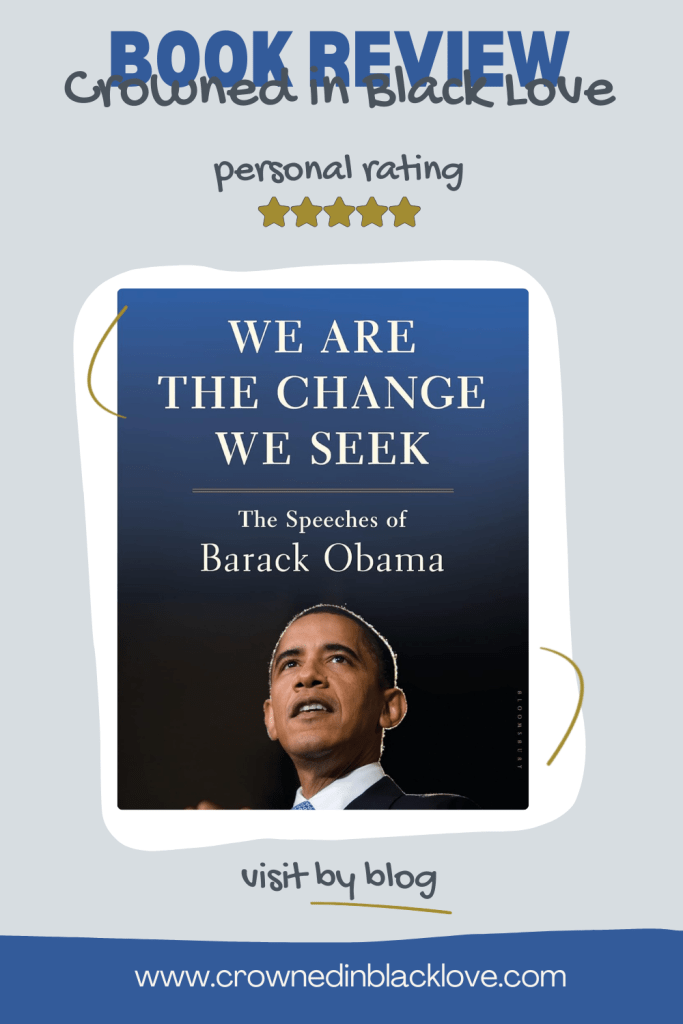
Book Review: We Are the Change We Seek: The Speeches of Barack Obama

A Voice for Justice, Unity, and Hope

Barack Obama’s journey from community organizer to the first Black president of the United States is nothing short of extraordinary. Throughout his political career, his speeches have often been a beacon of hope, rallying people around the cause of equality, justice, and the pursuit of a better future. We Are the Change We Seek: The Speeches of Barack Obama, edited by E.J. Dionne Jr., is an incredible compilation of his most powerful addresses. For Black communities, this book is more than a collection of words; it’s a tool for understanding how the power of speech can drive change and inspire action.

Why This Book Is Essential for the Black Community:

In the face of systemic racism, inequality, and social injustice, Obama’s speeches offered a voice of reason, reminding us that change is not only possible, but it is also our responsibility. The speeches within this book speak to the struggles that Black Americans face and the collective power we possess to transform our communities and our nation. Obama’s ability to blend hope, determination, and clarity is what makes his words resonate deeply within our fight for justice.

From his historic victory speech in 2008 to his remarks on racial tensions and his reflections on the pursuit of justice, Obama’s speeches are both a call to action and a vision for what America can be. By sharing these speeches, We Are the Change We Seek provides a roadmap for Black communities to advocate for their rights, demand justice, and foster unity in times of division.

Key Lessons from We Are the Change We Seek for the Black Community:

  1. The Power of Unity: One of Obama’s key messages is that true progress only comes when we work together. In his speeches, he often emphasizes that unity transcends race, party affiliation, and background. For Black communities, this reminds us that in our fight for justice, we must build coalitions with others who are willing to stand with us. The power of collective action is undeniable, and Obama’s words are a testament to that.
  2. The Importance of Hope and Perseverance: Throughout his speeches, Obama often highlighted the importance of hope—especially during the most challenging times. For Black communities, this is crucial, as systemic oppression can sometimes make it feel like progress is impossible. Obama’s speeches are a reminder that, though the road is long, hope, perseverance, and belief in a better future are critical in pushing forward.
  3. Confronting Race and Injustice: Obama’s reflections on race in America are some of the most poignant in his speeches. He didn’t shy away from acknowledging the deep-seated issues of racism, nor did he avoid the uncomfortable truths that needed to be discussed. For Black communities, his words are empowering. They show that confronting injustice head-on is essential for healing and for creating a society where everyone is treated with dignity and respect.
  4. The Role of Leadership in the Fight for Justice: Obama’s speeches also provide insight into the role of leadership in social change. His calls for leaders to act with integrity and courage resonate deeply in today’s climate, where Black leaders must continue to rise above obstacles and lead by example. We Are the Change We Seek encourages us to not only support leaders but also to take up leadership ourselves in our communities and beyond.

How This Book Helps the Black Community Today:

In the current climate, where Black Americans continue to fight against systemic racism and inequality, Obama’s speeches offer a much-needed sense of direction and hope. The themes of race, unity, and justice found in his addresses resonate as deeply today as they did during his presidency. In We Are the Change We Seek, readers can find inspiration to continue the fight for equality and justice, armed with the powerful words of a leader who understood the struggles of marginalized communities.

Obama’s speeches also serve as a guide for young Black people who may be navigating their own paths toward leadership. His messages encourage critical thinking, resilience, and activism. The book underscores that the fight for equality is ongoing and that each of us can contribute to the change we seek.

Closing Thoughts:

We Are the Change We Seek is more than just a collection of speeches. It’s a legacy, a testament to the power of words and the profound impact they can have on society. For the Black community, this book is a reminder that we are not only capable of achieving justice and equality, but that we are the very change we seek. Obama’s words have the power to inspire, to unite, and to propel us toward a better future. As we continue our fight for justice, let us remember: the change we desire begins with us.

We Are the Change We Seek by Barack Obama is a must-read for understanding how the power of words drives change. Obama’s speeches on race, unity, and justice offer inspiration for today’s fight for equality. #Obama #Activism #Leadership #RacialJustice #Change

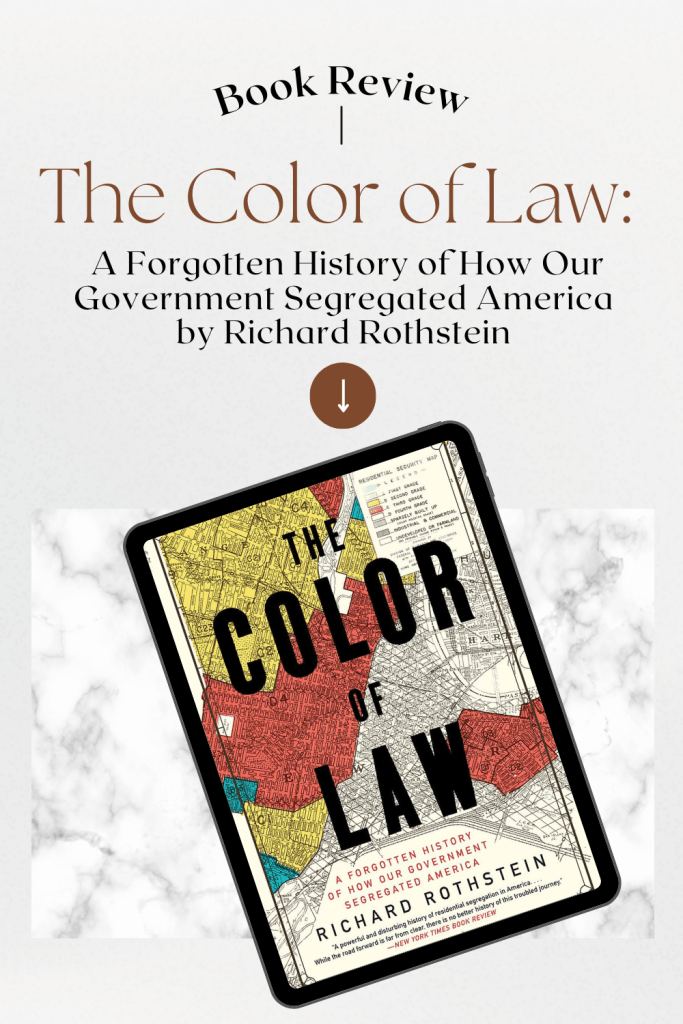
Book Review: The Color of Law: A Forgotten History of How Our Government Segregated America by Richard Rothstein

 A Vital Look at Segregation and Its Lasting Effects

When we talk about segregation in America, we often think of the Civil Rights Movement or the brave individuals who fought against oppressive systems. But what if I told you that segregation wasn’t just a product of individual prejudice or private actions? Richard Rothstein’s book, The Color of Law, takes a deep dive into the forgotten history of how government policies actively created and reinforced racial segregation in this country. For Black communities today, this book is a crucial read that not only informs but also challenges our understanding of the systemic forces shaping inequality.

Why This Book Is Essential for the Black Community:

Rothstein’s The Color of Law uncovers the dark history of how government policies—from federal housing laws to local zoning ordinances—purposefully segregated Black Americans from white communities. This history isn’t just academic; it has real-world implications that continue to impact Black families and communities today. For us, understanding this history is the first step toward dismantling the structures that continue to perpetuate racial inequality.

Through this book, Rothstein makes it clear that segregation wasn’t just the result of private choices or random incidents; it was deliberately enforced by law and government action. From redlining practices in the 1930s to discriminatory housing policies in the mid-20th century, these government actions set in motion patterns of poverty, limited opportunity, and inequality that continue to harm Black communities. Rothstein argues that we cannot fully understand the inequality in our society without recognizing that segregation was, and still is, a government-sponsored system.

Key Lessons from The Color of Law for the Black Community:

  1. The Role of Government in Creating Segregation: One of the most striking revelations in The Color of Law is how deeply involved the government was in fostering segregation. From the New Deal to post-World War II programs, policies were put in place that made it incredibly difficult for Black families to access housing in neighborhoods that would have allowed them to build wealth. By understanding the historical role of the government in creating these systems, we can more effectively advocate for the change that’s needed.
  2. The Impact of Redlining and Housing Discrimination: Rothstein discusses redlining, where banks and government agencies systematically denied Black Americans access to loans or housing in certain neighborhoods. This policy kept many Black families from building the kind of generational wealth that white families were able to accumulate through homeownership. The long-term effects of this practice are still visible today in the wealth gap between Black and white Americans. By addressing these historical injustices, we can begin to close that gap and create more opportunities for future generations.
  3. The Persistence of Segregation in Modern Times: Many people think that segregation ended with the Civil Rights Movement, but Rothstein shows that its effects are still deeply ingrained in our cities and communities. Even after the Fair Housing Act of 1968, discriminatory practices continued to make it difficult for Black Americans to move into previously white neighborhoods, reinforcing patterns of inequality. This ongoing segregation limits educational and economic opportunities for Black families, further entrenching racial disparities.
  4. Why We Need Policy Changes to Undo the Damage: Rothstein doesn’t just provide a history lesson; he also offers solutions. He calls for comprehensive policy changes, including reparations for those who were directly harmed by discriminatory policies, and for policies that promote integrated communities. The Color of Law urges us to understand that true justice requires not just acknowledgment but also reparative actions to fix the systems that continue to oppress Black Americans.

How This Book Helps the Black Community Today:

In today’s society, understanding the historical roots of racial inequality is crucial for advocating for systemic change. The Color of Law helps illuminate the origins of many modern-day issues—such as the wealth gap, segregated schools, and police violence—by connecting them to policies that intentionally isolated and disenfranchised Black communities. By recognizing the role of government in perpetuating these problems, we can better organize and push for legislation that addresses the needs of Black families today.

This book also serves as an educational tool for young Black people who may not fully grasp how deeply racism is embedded in our country’s laws and policies. For those looking to advocate for fair housing or more inclusive communities, Rothstein’s work provides a foundation for understanding why these fights are so important and how historical policies have created the inequality we see today.

Closing Thoughts:

The Color of Law is an essential read for anyone who wants to understand how segregation wasn’t just a social issue—it was a governmental practice that still affects Black communities today. It is not only a history book but a call to action, urging readers to recognize the systemic racism that still exists in America and to take steps to dismantle it. For the Black community, this book is a tool for education, advocacy, and empowerment. By understanding our history and the lasting impacts of government-imposed segregation, we can better fight for the equitable future we deserve.

The Color of Law reveals how government policies created and reinforced racial segregation in America. A must-read for understanding how these practices still affect Black communities today. #SystemicRacism #BlackHistory #TheColorOfLaw #HousingDiscrimination

The Power of Black Love: Building Strong Families, Thriving Together

There’s something undeniably powerful about the bond of Black love. From the resilience of our ancestors to the strength of Black couples today, love has always been at the heart of our families. No matter the challenges we’ve faced—whether it’s slavery, segregation, or systemic racism—Black love has been a force that holds us together and helps us rise. It’s a love that survives storms and celebrates joy, that nurtures the next generation with pride, and that creates legacies that live on for years to come.

Resilience in Our Roots

From the beginning, love within Black families was a revolutionary act. Our ancestors, forced into slavery, found ways to love and protect each other despite being torn apart and abused. They built families, communities, and traditions, passing down the essence of Black love—strength, pride, and unity—through generations. This love was not just about romantic relationships, but also the bonds between parents and children, siblings, and extended families.

One of the most beautiful examples of Black love in history comes from the underground railroad. Couples like Harriet Tubman and her husband, William Still, and other freedom fighters who worked together to escape the horrors of slavery showed how love, when combined with courage, could change the course of history.

Love Against All Odds

Fast forward to today, and Black love still serves as a beacon of strength. Families are built on trust, loyalty, and a shared commitment to uplift each other. Black couples like Barack and Michelle Obama, who have been through the pressures of public life, show that love can not only survive challenges but can thrive in them. The way they support each other—whether it’s through politics, parenting, or personal growth—speaks volumes about the power of love in a Black family.

The history of Black families is often painted with struggles, but we know that, even through hard times, we show up for each other. We build legacies of excellence and pass them on. There’s a deep sense of cultural pride, an unspoken understanding that our love, unity, and resilience are the foundation of our success. Whether it’s running businesses, raising children with purpose, or fighting for justice, Black love fuels it all.

Celebrating Black Love Today

In today’s world, Black love continues to shape families in extraordinary ways. Whether it’s couples holding down businesses together, activists who support each other through the emotional weight of social justice work, or grandparents passing down wisdom to grandchildren, Black love is everywhere, and it’s thriving.

Look at the Johnson family—who’ve managed to build a generational wealth fund while staying grounded in love. Or the couples who have built up their communities through mentorship, sports, and cultural initiatives. Love is present in every moment, in every action. It’s about the little things: the way we support each other when life gets hard, the encouragement we give one another when we dream big, and the strength we draw from our history.

The power of Black love is unstoppable. It has been the backbone of our survival, our strength, and our success. As we continue to build strong families and legacies, we honor the love that has carried us this far, and we cherish the love that will lead us forward. Let’s continue to thrive, love fiercely, and pass down the beautiful traditions of Black family strength to the next generation. Because Black love isn’t just a feeling; it’s a way of life.

Black love is a force that transcends generations—resilient, empowering, and unwavering. From our ancestors to modern-day couples, it fuels families, legacies, and success. 🌟 #BlackLove #FamilyStrength #Resilience #BlackHistory

The Importance of Knowledge of Self in the Black Community

Have you ever stopped to think about how important it is to really know yourself? To understand your history, your identity, and your worth? Knowledge of self isn’t just about learning facts—it’s about connecting to who you truly are, where you come from, and what you can contribute to the world. For the Black community, this understanding is crucial. It strengthens our communities, empowers our families, and helps us break barriers.

In this blog, we’ll explore why knowledge of self is so important for the Black community and how embracing it can lead to lasting change.

1. Connecting to Our Roots:

One of the most powerful aspects of knowledge of self is understanding your history. For many Black people, our history was hidden or erased for a long time, but learning about our ancestors and their contributions to the world gives us a sense of pride and belonging. Knowing our roots allows us to honor the struggles and triumphs of those who came before us, giving us the strength to continue their legacies.

When you know where you come from, it helps you build a sense of pride in who you are and where you’re going. Whether it’s learning about the civil rights movement, the Harlem Renaissance, or the countless Black leaders, artists, and innovators throughout history, that knowledge helps us understand our value and the importance of our presence in society.

2. Building Stronger Communities:

Knowledge of self isn’t just a personal journey—it’s a communal one. When we, as individuals, understand our own worth and identity, we can work together more effectively to uplift our communities. For the Black community, this means creating environments where we support each other, encourage personal growth, and fight for equality and justice.

By teaching younger generations about their heritage, we pass down wisdom and values that create a stronger sense of unity and pride. Families, schools, and community groups play an essential role in this process. Encouraging open dialogue about Black history, culture, and identity helps everyone in the community feel seen, heard, and understood.

3. Empowering the Next Generation:

One of the most important reasons for embracing knowledge of self is its impact on future generations. When children and young adults are taught to value themselves and their culture, they grow up with a deeper sense of self-worth. They’re better equipped to face challenges, pursue their dreams, and advocate for what’s right.

Empowered individuals can break the cycles of discrimination and systemic inequality. Children who grow up knowing the stories of their ancestors—who fought for freedom, equality, and opportunity—will be inspired to keep pushing forward. This empowerment isn’t just about academic success, it’s about mental and emotional resilience, and it’s about fostering a sense of pride and belonging that is foundational to success in all areas of life.

4. Overcoming Stereotypes and Challenges:

Black people often face stereotypes and discrimination that can make it difficult to succeed. However, when you have knowledge of self, you can challenge these negative images and rise above the obstacles that society may place in your path. Knowing your worth allows you to reject stereotypes and be unapologetically yourself, even when the world may try to make you feel otherwise.

Understanding that you are more than the labels others place on you helps you embrace your unique identity. This mental shift allows you to stay focused on your goals and pursue your passions with confidence, knowing that your success is not limited by other people’s expectations.

5. Mental Health and Self-Care:

A strong sense of self also plays an important role in mental health. When we understand who we are and what we stand for, we develop a deeper sense of peace and self-acceptance. In the Black community, mental health is often a topic that has been ignored or misunderstood, but having knowledge of self can help shift this narrative.

Taking time to connect with your roots, acknowledging your worth, and practicing self-care can improve mental health, foster emotional stability, and create resilience. By prioritizing knowledge of self, we’re laying the foundation for healthier, stronger individuals and families.

6. Reclaiming Our Power:

At the core of knowledge of self is the idea of empowerment. When you know who you are and understand your history, you’re in a better position to claim your power. For Black communities, this means not only recognizing the hardships faced in the past but also understanding the immense strength and potential we possess.

From the resilience shown during slavery to the brilliance of Black innovators today, the history of Black people is full of strength, intelligence, and hope. Embracing this knowledge allows us to step into our power, as individuals and as a collective force for change. We no longer wait for others to define us—we create our own narrative.

Conclusion:

Knowledge of self is a tool for empowerment, unity, and personal growth. For the Black community, understanding who we are and where we come from creates a foundation for success, strength, and resilience. When we embrace our history, our identity, and our worth, we become a stronger, more connected community capable of overcoming challenges and making lasting change.

The more we learn about ourselves, the more we empower the next generation to do the same. And together, we can continue to build a future where our culture, history, and voices are celebrated and valued. Knowledge of self is not just a personal journey—it’s a journey that impacts all of us.

Knowledge of self is key to building a stronger Black community. Understanding our roots, culture, and identity empowers us all to create positive change. Let’s pass this wisdom on! #BlackCommunity #Empowerment #KnowledgeOfSelf