Raising Confident Black Children: The Power of Affirmation

As parents, one of the most important gifts we can give our children is the ability to stand tall, proud of who they are and where they come from. Raising confident Black children means equipping them with the tools to navigate a world that often doesn’t recognize their full worth. Affirmation is one of the most powerful tools we have to build their self-esteem, cultural pride, and emotional intelligence. By regularly affirming their value, we teach them to embrace their Black identity with strength and pride. Let’s explore how we can raise confident Black children through the power of positive reinforcement and affirmation.


1. The Power of Affirmations

Positive affirmations are more than just words—they are seeds that grow into strong, confident mindsets. For Black children, hearing affirmations about their worth and potential is crucial. Phrases like “You are brilliant,” “Your Black skin is beautiful,” and “Your voice matters” help to counter negative stereotypes and reinforce their self-worth.

  • Pro Tip: Start each day with affirmations. Make it a ritual to say empowering statements that remind your child of their brilliance and beauty. It can be something as simple as “You are amazing just as you are.”

2. Instilling Cultural Pride

Children who are proud of their heritage carry that pride wherever they go. Teaching Black children about the rich history, culture, and accomplishments of their ancestors not only helps them feel connected to their roots but also instills confidence in their identity. Let them know that they come from a long line of kings, queens, freedom fighters, scholars, and creators who have shaped the world.

  • Pro Tip: Share stories of influential Black figures, both past and present, with your child. Books, movies, and family conversations are great ways to celebrate Black culture. Maya Angelou, Thurgood Marshall, and Oprah Winfrey are just a few role models to start with.

3. Building Emotional Intelligence

Confidence is not just about how a child sees themselves, but also how they understand and manage their emotions. Encouraging emotional intelligence in Black children helps them handle challenges with resilience and self-assurance. Teaching them to express their feelings, communicate effectively, and build empathy is a critical part of raising a well-rounded and confident individual.

  • Pro Tip: Encourage your child to talk about how they feel—whether they’re happy, sad, frustrated, or proud. Provide a safe space for emotional expression and validate their feelings. This teaches them that it’s okay to be vulnerable and that their emotions are important.

4. Modeling Confidence and Self-Love

Children learn by example, so modeling self-love and confidence is key. When they see you celebrating your own identity and embracing who you are, they’ll be more likely to do the same. Show your child how to stand tall, be proud of who they are, and treat themselves with love and respect.

  • Pro Tip: Show your child how you affirm your own worth. Whether it’s speaking positively about yourself in front of them or practicing self-care, your actions speak louder than words. They will learn from the way you carry yourself.

5. Creating a Supportive Environment

Confidence grows in a supportive environment where children feel safe to be themselves. Surround your child with people who uplift them, celebrate their uniqueness, and encourage them to reach for their dreams. A strong community can help reinforce their confidence, especially when they see others who look like them succeeding.

  • Pro Tip: Foster relationships with other families and communities that value Black culture and identity. Create spaces where your child can be surrounded by like-minded individuals who encourage and support each other.

In Closing:

Raising confident Black children isn’t just about helping them navigate the world—it’s about teaching them to embrace their identity, their heritage, and their greatness. Through affirmations, cultural pride, emotional intelligence, and a supportive environment, we can raise children who are strong, proud, and ready to take on the world. Their confidence will not only empower them but will inspire future generations to carry that torch forward.


The power of affirmation can raise confident Black children who are proud of who they are. Start with daily affirmations, cultural pride, and emotional intelligence! #BlackParenting #Confidence #BlackLove 💫

Book Review: We Were Eight Years in Power: An American Tragedy by Ta-Nehisi Coates

A Deep Dive into Race, Politics, and the Obama Legacy

In We Were Eight Years in Power: An American Tragedy, Ta-Nehisi Coates delivers a thought-provoking and piercing examination of America’s political landscape during and after Barack Obama’s presidency. Through a collection of essays, Coates dissects the complexities of race, power, and politics, providing a critical look at the rise of Donald Trump, the legacies of slavery and racism, and the ideological divides that continue to shape American society. Coates doesn’t just reflect on Obama’s time in office; he explores the deep divisions that define the country and the heavy weight of history that still looms over Black Americans today.

Why We Were Eight Years in Power is Essential for the Black Community:

This book is an essential read for the Black community because it forces us to confront the realities of American politics and the ways in which race and power intersect at every level of society. Coates doesn’t shy away from difficult truths about the limitations of the Obama presidency, the rise of a racially divisive political climate, and the challenges of Black political engagement. This book helps us understand how our history, identity, and struggles for justice continue to be deeply interwoven with the political battles we face today.

Key Lessons from We Were Eight Years in Power for the Black Community:

  1. The Fragility of Progress: Coates reflects on the eight years of Barack Obama’s presidency and highlights how progress, even when achieved, is always fragile. For the Black community, this serves as a sobering reminder that victories for racial justice are often met with resistance and backlash. Coates argues that the illusion of a post-racial America, perpetuated by Obama’s presidency, blinded many to the deep-seated racism still ingrained in American society. Understanding this fragility allows us to be more strategic and resilient in our fight for justice.
  2. The Importance of Understanding Power: One of the key themes in We Were Eight Years in Power is the importance of understanding power in its many forms. Coates challenges readers to think critically about who holds power in society and how it is used. For the Black community, this book highlights the significance of political engagement and the need to build and maintain power, both through voting and activism, to ensure that our voices are heard and that the gains we’ve made aren’t undone by those who seek to maintain the status quo.
  3. The Persistence of White Supremacy: Coates doesn’t shy away from the harsh realities of white supremacy in America. He argues that even after the election of the first Black president, racism and inequality did not disappear. Instead, they transformed into more covert forms, continuing to shape political discourse and policies in America. For Black Americans, this reinforces the importance of continuing the fight for equality, even when it feels like progress has been made. Understanding that racism is deeply embedded in American institutions empowers us to keep pushing for true systemic change.
  4. The Power of Black Intellectual Thought: Throughout the book, Coates gives voice to the thinkers, writers, and activists who have shaped Black intellectual thought. He encourages the Black community to engage in deep reflection, using our unique perspectives and experiences to contribute to broader societal conversations. This is crucial for creating an informed, powerful, and resilient Black political identity. Coates’ work is an invitation for Black Americans to continue to be leaders in shaping the political landscape and advocating for our community’s interests.
  5. The Ongoing Struggle for Racial Justice: At the heart of We Were Eight Years in Power is a call for continued activism. Coates highlights the deepening divides and the resistance to change that persist even in the face of the Black Lives Matter movement and other efforts to address racial injustice. He argues that the fight for racial justice is far from over, and it’s essential for the Black community to remain steadfast in demanding equal treatment, representation, and opportunities in all areas of society.

How We Were Eight Years in Power Helps the Black Community Today:

  • The book helps the Black community navigate and understand the current political climate, particularly in the aftermath of Obama’s presidency and the rise of Trump. It offers a critical lens through which to view the struggles we continue to face in terms of race, power, and politics.
  • Coates’ reflections on race and politics encourage Black readers to remain politically engaged and informed, understanding that power dynamics are ever-shifting and must be actively navigated to ensure our rights are protected.
  • By connecting the struggles of the past with the present, We Were Eight Years in Power offers a roadmap for how we can continue to fight for justice and equality, understanding that it’s not just about one moment in history but about sustaining long-term efforts for racial equity.

Closing Thoughts:

We Were Eight Years in Power by Ta-Nehisi Coates is a powerful collection of essays that challenges the Black community to think deeply about the intersection of race, politics, and power. Coates’ sharp, incisive analysis of America’s political climate, from Obama’s presidency to the rise of Trump, forces us to confront the reality of how race continues to shape our lives. This book is a vital resource for understanding the complexities of our political landscape and encourages us to remain vigilant in our activism and pursuit of justice. It’s a call for continued reflection, action, and empowerment—an invitation to keep pushing forward in the fight for true equality.

Ta-Nehisi Coates’ We Were Eight Years in Power dives deep into race, politics, and the legacy of Obama’s presidency. It’s a must-read for understanding America’s political divides and the ongoing struggle for justice. #Race #Politics #Activism #BlackHistory

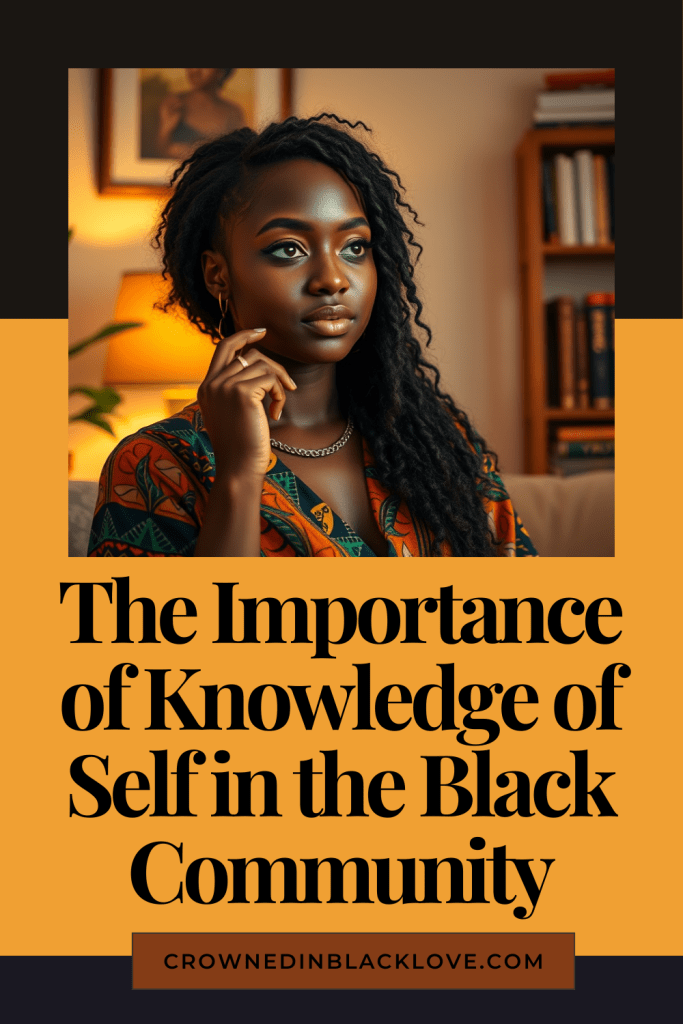
The Importance of Knowledge of Self in the Black Community

Have you ever stopped to think about how important it is to really know yourself? To understand your history, your identity, and your worth? Knowledge of self isn’t just about learning facts—it’s about connecting to who you truly are, where you come from, and what you can contribute to the world. For the Black community, this understanding is crucial. It strengthens our communities, empowers our families, and helps us break barriers.

In this blog, we’ll explore why knowledge of self is so important for the Black community and how embracing it can lead to lasting change.

1. Connecting to Our Roots:

One of the most powerful aspects of knowledge of self is understanding your history. For many Black people, our history was hidden or erased for a long time, but learning about our ancestors and their contributions to the world gives us a sense of pride and belonging. Knowing our roots allows us to honor the struggles and triumphs of those who came before us, giving us the strength to continue their legacies.

When you know where you come from, it helps you build a sense of pride in who you are and where you’re going. Whether it’s learning about the civil rights movement, the Harlem Renaissance, or the countless Black leaders, artists, and innovators throughout history, that knowledge helps us understand our value and the importance of our presence in society.

2. Building Stronger Communities:

Knowledge of self isn’t just a personal journey—it’s a communal one. When we, as individuals, understand our own worth and identity, we can work together more effectively to uplift our communities. For the Black community, this means creating environments where we support each other, encourage personal growth, and fight for equality and justice.

By teaching younger generations about their heritage, we pass down wisdom and values that create a stronger sense of unity and pride. Families, schools, and community groups play an essential role in this process. Encouraging open dialogue about Black history, culture, and identity helps everyone in the community feel seen, heard, and understood.

3. Empowering the Next Generation:

One of the most important reasons for embracing knowledge of self is its impact on future generations. When children and young adults are taught to value themselves and their culture, they grow up with a deeper sense of self-worth. They’re better equipped to face challenges, pursue their dreams, and advocate for what’s right.

Empowered individuals can break the cycles of discrimination and systemic inequality. Children who grow up knowing the stories of their ancestors—who fought for freedom, equality, and opportunity—will be inspired to keep pushing forward. This empowerment isn’t just about academic success, it’s about mental and emotional resilience, and it’s about fostering a sense of pride and belonging that is foundational to success in all areas of life.

4. Overcoming Stereotypes and Challenges:

Black people often face stereotypes and discrimination that can make it difficult to succeed. However, when you have knowledge of self, you can challenge these negative images and rise above the obstacles that society may place in your path. Knowing your worth allows you to reject stereotypes and be unapologetically yourself, even when the world may try to make you feel otherwise.

Understanding that you are more than the labels others place on you helps you embrace your unique identity. This mental shift allows you to stay focused on your goals and pursue your passions with confidence, knowing that your success is not limited by other people’s expectations.

5. Mental Health and Self-Care:

A strong sense of self also plays an important role in mental health. When we understand who we are and what we stand for, we develop a deeper sense of peace and self-acceptance. In the Black community, mental health is often a topic that has been ignored or misunderstood, but having knowledge of self can help shift this narrative.

Taking time to connect with your roots, acknowledging your worth, and practicing self-care can improve mental health, foster emotional stability, and create resilience. By prioritizing knowledge of self, we’re laying the foundation for healthier, stronger individuals and families.

6. Reclaiming Our Power:

At the core of knowledge of self is the idea of empowerment. When you know who you are and understand your history, you’re in a better position to claim your power. For Black communities, this means not only recognizing the hardships faced in the past but also understanding the immense strength and potential we possess.

From the resilience shown during slavery to the brilliance of Black innovators today, the history of Black people is full of strength, intelligence, and hope. Embracing this knowledge allows us to step into our power, as individuals and as a collective force for change. We no longer wait for others to define us—we create our own narrative.

Conclusion:

Knowledge of self is a tool for empowerment, unity, and personal growth. For the Black community, understanding who we are and where we come from creates a foundation for success, strength, and resilience. When we embrace our history, our identity, and our worth, we become a stronger, more connected community capable of overcoming challenges and making lasting change.

The more we learn about ourselves, the more we empower the next generation to do the same. And together, we can continue to build a future where our culture, history, and voices are celebrated and valued. Knowledge of self is not just a personal journey—it’s a journey that impacts all of us.

Knowledge of self is key to building a stronger Black community. Understanding our roots, culture, and identity empowers us all to create positive change. Let’s pass this wisdom on! #BlackCommunity #Empowerment #KnowledgeOfSelf

Black Pride in the Home: How It Shapes Children’s Confidence and Identity

Black pride is more than just a feeling—it’s a powerful force that shapes the way children see themselves and the world around them. It’s the pride of knowing where you come from, understanding your heritage, and embracing all the strength and beauty that comes with being Black. When Black pride is nurtured in the home, it creates an environment where children feel confident, valued, and empowered to overcome any obstacle.

In this blog, we’ll explore how Black pride in the home not only boosts children’s self-esteem but also helps them develop a strong sense of identity. We’ll see how parents who embrace their cultural heritage and teach their children to do the same create a foundation of confidence that lasts a lifetime.

Building Confidence Through Cultural Awareness:

One of the most significant ways that Black pride shapes children is by boosting their confidence. When children grow up in homes where they see their parents embrace their culture, they learn that their Black identity is something to be proud of. Whether it’s through storytelling, celebrating Black History Month, or learning about their ancestors’ accomplishments, children who grow up surrounded by Black pride develop a deep sense of self-worth.

For Black children, knowing the history of their culture—from the achievements of leaders like Martin Luther King Jr. to the contributions of everyday heroes—helps them understand their place in the world. They learn that their heritage is rich and filled with stories of strength, resilience, and excellence. This awareness helps them carry themselves with pride and confidence, no matter what challenges they may face.

Instilling a Strong Sense of Identity:

Black pride also plays a key role in shaping a child’s sense of identity. When children are taught to embrace their culture and appreciate their history, they develop a strong sense of who they are. This sense of identity is foundational in helping children navigate the world around them with confidence and clarity.

In homes where Black pride is celebrated, children are encouraged to express themselves without fear of judgment or shame. They learn that their natural hair, skin color, and cultural traditions are beautiful and valuable. These positive affirmations are essential for helping Black children develop a strong, healthy sense of self that will stay with them as they grow older.

As Dr. Joy DeGruy, a renowned educator and researcher, emphasizes, “When we affirm the value of Black children through cultural pride, we give them the tools to combat negative stereotypes and build a sense of resilience and dignity” (DeGruy, 2005).

Teaching Self-Love and Empowerment:

Black pride in the home goes beyond cultural awareness—it’s also about teaching children to love themselves and believe in their own potential. When parents model self-love and pride in their Blackness, children internalize these lessons and carry them into their own lives. This self-love is a crucial building block for mental and emotional well-being, especially for Black children who may face racism or discrimination in society.

A child who is raised to value their identity will be better equipped to handle the challenges that life throws their way. They will have the inner strength to rise above negativity and take pride in their accomplishments. The confidence that comes from loving oneself is a powerful tool for success, and it begins with the pride that parents instill at home.

Positive Role Models and Cultural Representation:

When Black pride is nurtured in the home, it’s often reflected in the media, books, music, and role models that parents expose their children to. Children raised in homes where Black pride is celebrated are more likely to see positive representations of themselves in the world around them. From books that feature Black heroes to films that showcase the richness of Black culture, these positive images reinforce the message that Black lives matter, that Black history is important, and that Black children have the power to change the world.

Seeing role models who look like them—whether in history, sports, music, or everyday life—helps children build a sense of possibility and hope. Black children grow up knowing that they can be anything they set their minds to, because they have countless examples of Black individuals who have made an impact in various fields.

Fostering a Sense of Community and Belonging:

In homes where Black pride is nurtured, children also develop a sense of belonging to a larger community. Black pride helps children connect with others who share their culture, creating a network of support, solidarity, and shared experiences. This sense of community is crucial for developing a positive outlook on life and knowing that they are part of something greater than themselves.

By teaching children to take pride in their heritage, parents are fostering a sense of unity and cultural strength that will serve them throughout their lives. Whether it’s attending cultural events, connecting with extended family, or simply talking about their roots, children who grow up with a strong sense of Black pride feel grounded in a rich legacy that continues to inspire them.

In Conclusion:

Black pride in the home is one of the most powerful gifts parents can give their children. It shapes their confidence, strengthens their identity, and equips them with the tools they need to navigate the world with self-love and resilience. When Black pride is nurtured from an early age, children grow up knowing that they are beautiful, valuable, and capable of achieving anything they set their minds to.

In a world that sometimes tries to diminish the importance of Black culture and identity, Black pride remains a beacon of strength. It teaches children that their heritage is something to be proud of and that they have the power to shape their own futures. Let’s continue to embrace Black pride in our homes, knowing that the next generation will carry that pride into a brighter, more inclusive world.

Black pride in the home shapes children’s confidence, self-love, and identity. By embracing culture and heritage, parents empower the next generation to thrive. #BlackPride #CulturalHeritage #Parenting #BlackChildren